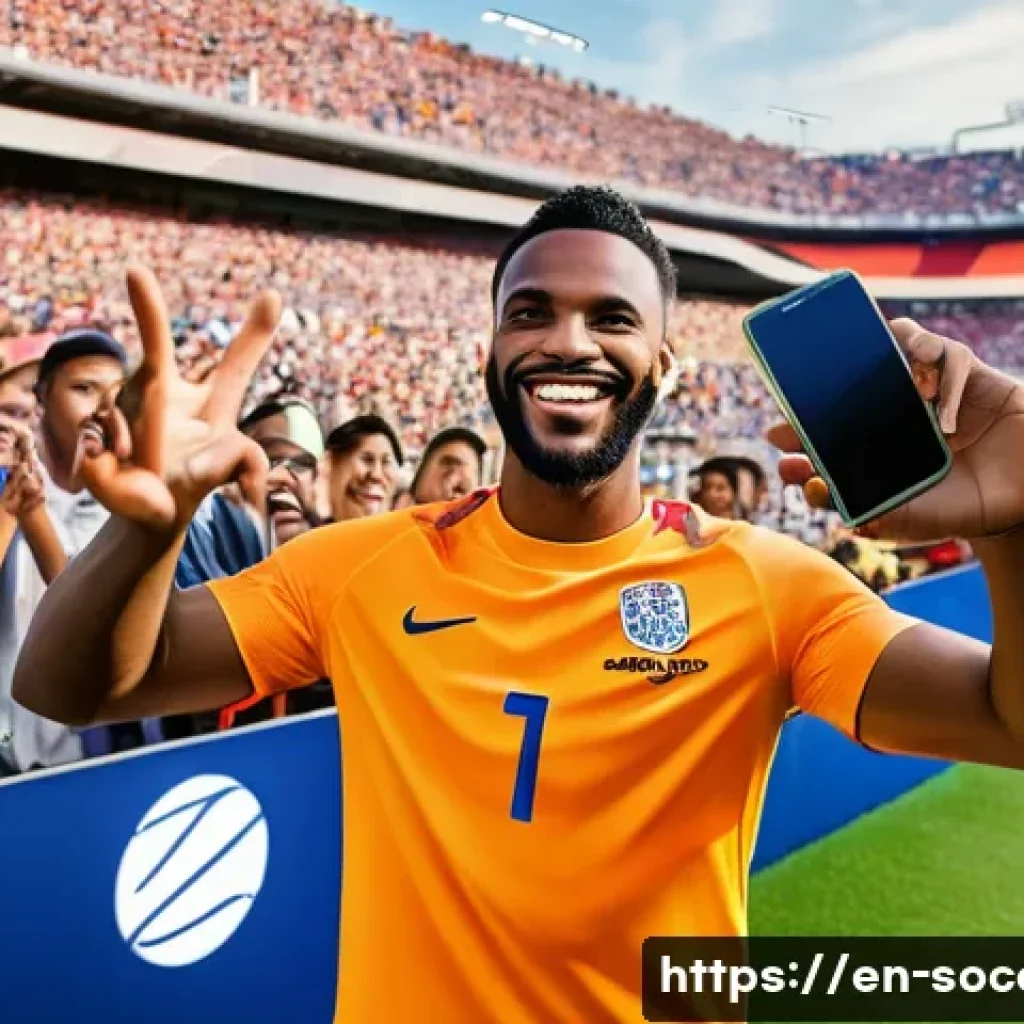
In the world of sports, marketing plays a pivotal role in transforming teams and players into global icons. Football, being the most popular sport worldwide, offers fascinating examples of how clever marketing strategies can skyrocket fan engagement and revenue.
From innovative sponsorship deals to social media campaigns that connect emotionally with fans, these success stories reveal the power of creativity and timing.
Whether it’s a local club breaking into international markets or a star player building a personal brand, the impact is undeniable. Let’s dive deeper and explore these inspiring football marketing triumphs together!
Leveraging Star Power to Expand Global Reach
Crafting Personal Brands Beyond the Pitch
Many footballers today aren’t just athletes; they’re full-fledged brands. Take Cristiano Ronaldo, for example. Beyond his incredible skills, his savvy use of social media platforms, personal endorsements, and lifestyle ventures have propelled him into a global icon.
What’s fascinating is how he connects with fans on a personal level—sharing glimpses of family life, workouts, and philanthropic efforts. This approach humanizes him, making followers feel more intimately connected, which in turn boosts his marketability.
I’ve noticed that when athletes build authentic stories around themselves, it resonates far more than just on-field performance stats.
Influencer Collaborations and Cross-Industry Partnerships
Football stars collaborating with influencers and celebrities from other industries has opened up fresh marketing avenues. For instance, Neymar’s partnerships with fashion brands and music artists create a crossover appeal that attracts fans beyond traditional football audiences.
These collaborations often result in limited edition merchandise or exclusive content that fans eagerly consume. The excitement around these partnerships can spark viral moments, increasing both brand visibility and merchandise sales.
From my experience watching campaigns unfold, these cross-industry synergies tend to generate a lot of buzz and sustained interest.
Localized Campaigns with Global Appeal
Top football clubs and players often tailor marketing campaigns to specific regions while maintaining a universal brand message. For example, when FC Barcelona launched their “More Than a Club” campaign, they emphasized local Catalan pride but also infused themes of inclusivity and global community.
Similarly, players like Son Heung-min engage Asian markets by participating in regional events and releasing localized content. This strategic localization combined with universal values ensures that fans worldwide feel both personally addressed and part of a bigger narrative, which is key in expanding global fanbases.
Innovative Use of Digital Platforms to Engage Fans
Interactive Social Media Campaigns
Social media isn’t just about posting highlights anymore; it’s about creating immersive experiences. Clubs like Liverpool have harnessed live Q&A sessions, behind-the-scenes stories, and even AR filters that fans can use to feel closer to the action.
I recall a campaign where fans could vote on the starting lineup via Instagram Stories, making them feel like active participants rather than passive viewers.
This level of interaction not only boosts engagement rates but also deepens emotional ties with the team.
Virtual Reality and Augmented Reality Experiences
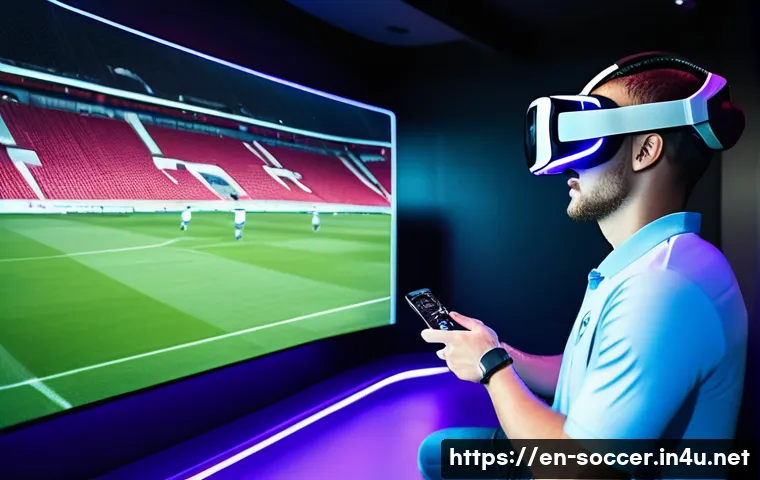
The integration of VR and AR into football marketing has been a game-changer. Some clubs have developed virtual stadium tours or augmented reality apps that allow fans to see player stats pop up during live matches.
From my own trial of such apps, the immersive experience makes watching games at home far more thrilling. These technologies create new sponsorship opportunities too, as brands can embed interactive ads within these digital experiences, elevating both fan enjoyment and ad effectiveness.
Gamification of Fan Engagement
Turning fan engagement into a game is a clever way to keep audiences hooked. Fantasy football leagues are a prime example, but beyond that, clubs are introducing quizzes, prediction games, and loyalty point systems redeemable for merchandise or tickets.
I’ve observed that fans who participate in these gamified elements tend to spend more time on club websites and apps, which directly correlates with increased ad impressions and revenue streams.
Strategic Sponsorships That Amplify Brand Value
Aligning with Lifestyle and Tech Brands
Football marketing has evolved to focus on sponsorships that resonate with fans’ lifestyles. For example, clubs partnering with tech giants like Apple or lifestyle brands such as Adidas tap into markets that align well with their fan demographics.
This synergy creates authentic brand integrations rather than intrusive advertisements. Personally, I find these partnerships more appealing because they feel like natural extensions of the football culture rather than forced promotions.
Creating Experiential Sponsorships
Sponsorships that offer unique experiences—such as VIP matchday access, exclusive player meet-and-greets, or branded fan zones—build stronger brand loyalty.
When I attended a sponsored event by a major sports drink company, the immersive setup and interactive activities made me feel part of something special, not just a consumer.
These experiences translate into positive brand associations and higher chances of repeat engagement.
Long-Term Partnerships Over One-Off Deals
Sustained partnerships tend to yield better results than short-term sponsorships. For example, Manchester United’s long-term deal with Chevrolet not only provided consistent funding but also allowed for integrated campaigns that evolved over time.
This continuity helps fans associate the sponsor with the team’s identity, reinforcing brand recall and trust.
Community Engagement as a Marketing Pillar
Grassroots Programs to Build Loyalty
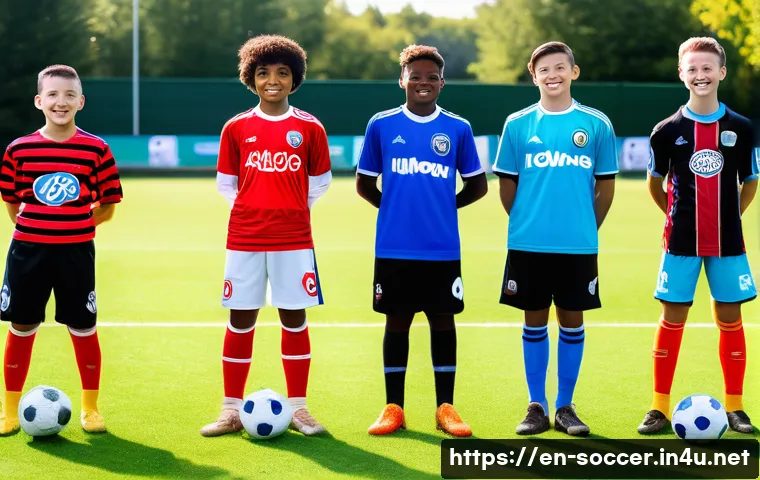
Many clubs invest heavily in grassroots football programs, engaging local communities and nurturing young talent. This commitment fosters deep-rooted loyalty from families and local fans.
I’ve seen how clubs that visibly support community initiatives enjoy stronger fan support and a more positive public image, which indirectly boosts merchandise sales and attendance figures.
Social Responsibility and Charity Campaigns
Football marketing increasingly incorporates social causes. Campaigns addressing issues like mental health, equality, or environmental sustainability resonate strongly with modern audiences.
When players actively champion these causes, it adds authenticity and emotional weight. From my perspective, fans appreciate when their favorite teams and players stand for something meaningful beyond the sport itself.
Fan-Centric Content Creation
Encouraging fans to create and share content—be it fan art, videos, or chants—turns passive supporters into active contributors. Clubs often feature this content on official channels, giving fans a sense of pride and ownership.
I’ve noticed this approach dramatically increases organic reach and builds a passionate community around the club’s brand.
Monetizing Digital Content and Merchandise
Exclusive Digital Collectibles and NFTs
The rise of blockchain technology has introduced new revenue streams through digital collectibles and NFTs. Football clubs like Paris Saint-Germain have launched limited-edition NFTs that fans can buy, trade, or showcase.
When I explored these offerings, it was clear that scarcity and exclusivity drive demand, providing clubs with lucrative monetization options beyond traditional merchandise.
Personalized Merchandise and Limited Editions
Offering personalized jerseys or limited-run products taps into fans’ desire for uniqueness. I once purchased a customized kit featuring my name and favorite number, and the personal touch made it a treasured item.
Such offerings not only increase per-sale revenue but also deepen emotional attachment to the club.
Subscription Models for Premium Content
Clubs are experimenting with subscription services that offer exclusive interviews, tactical analysis, or behind-the-scenes footage. From what I’ve seen, fans are willing to pay for content that gives them insider access and a richer understanding of their favorite teams.
This steady revenue stream also helps clubs reduce dependence on volatile ticket sales or sponsorship deals.
Data-Driven Marketing to Optimize Fan Engagement
Analyzing Fan Behavior for Tailored Campaigns
Clubs now use sophisticated data analytics to understand fan preferences, purchasing habits, and engagement patterns. This insight allows them to craft personalized marketing campaigns that feel relevant rather than generic.
I experienced this firsthand when targeted ads for match tickets and merchandise reflected my previous interactions and interests, making me more likely to convert.
Real-Time Feedback Loops During Matches
Some clubs use real-time data from social media and in-stadium sensors to adapt marketing messages on the fly. For instance, if a player scores a spectacular goal, instant merchandise offers or celebratory content can be pushed to fans immediately.
This immediacy captures the excitement and drives impulse buying, something I’ve noticed works wonders during live events.
Predictive Analytics for Future Trends
By leveraging machine learning, clubs forecast future fan behaviors and market trends, allowing proactive marketing strategies. From my understanding, this forward-looking approach ensures that clubs remain ahead of the curve, maintaining relevance and maximizing revenue opportunities as fan expectations evolve.
| Marketing Strategy | Example | Impact | Unique Feature |
|---|---|---|---|
| Personal Branding | Cristiano Ronaldo’s social media presence | Global fan engagement, increased endorsements | Authentic personal storytelling |
| Cross-Industry Collaborations | Neymar’s fashion partnerships | Expanded audience beyond football fans | Limited edition merchandise |
| Interactive Social Media | Liverpool’s fan voting on lineups | Higher fan participation and loyalty | Real-time fan involvement |
| Experiential Sponsorships | VIP fan zones by sports drink brands | Enhanced brand loyalty and experience | Immersive fan engagement |
| Grassroots Community Programs | Local youth football initiatives | Strengthened local fanbase and loyalty | Long-term community investment |
| Digital Collectibles (NFTs) | Paris Saint-Germain limited NFTs | New revenue streams and fan exclusivity | Scarcity-driven demand |
| Data-Driven Campaigns | Personalized ticket ads | Improved conversion rates | Behavior-based targeting |
Harnessing Cultural Moments to Boost Engagement
Capitalizing on Major Tournaments
Events like the FIFA World Cup or UEFA Champions League create unparalleled marketing opportunities. Clubs and players use these platforms to launch campaigns that ride the wave of global attention.
I remember during the last World Cup, various brands released limited merchandise and digital content tied to the tournament, which sparked tremendous fan enthusiasm and sales spikes.
Celebrating Club Heritage and Milestones
Marking anniversaries or historic achievements through special editions and storytelling enriches fan connection. For example, when Juventus celebrated their 125th anniversary, they released retro kits and documentaries that stirred nostalgia.
This approach not only honors tradition but also generates buzz that translates to merchandise and content consumption.
Responding to Social Trends in Real Time
Football marketing that swiftly aligns with social movements or viral trends can capture audience attention more effectively. When clubs publicly support causes like anti-racism or mental health awareness during peak social conversations, it shows relevance and solidarity.
From what I’ve seen, fans appreciate this responsiveness, which fosters trust and strengthens brand loyalty.
In Conclusion
Leveraging star power and innovative marketing strategies has transformed football into a global cultural phenomenon. By blending authentic storytelling with cutting-edge digital engagement, clubs and players can connect deeply with fans worldwide. These approaches not only enhance brand loyalty but also open new avenues for revenue and growth. The future of football marketing lies in creativity, personalization, and meaningful community involvement.
Useful Information to Keep in Mind
1. Building a personal brand beyond athletic performance creates stronger emotional connections with fans, increasing marketability and engagement.
2. Collaborations across industries, such as fashion and music, expand football’s audience and generate buzz through exclusive content and merchandise.
3. Interactive digital experiences like live voting, VR, and gamification significantly boost fan participation and retention.
4. Long-term sponsorships and experiential events foster deeper brand loyalty compared to short-term deals or simple advertising.
5. Data-driven marketing enables personalized campaigns and real-time engagement, maximizing conversion and fan satisfaction.
Key Takeaways
Successful football marketing today hinges on authentic storytelling, innovative use of digital platforms, and strategic partnerships that resonate with fans’ lifestyles. Integrating community engagement and social responsibility adds meaningful value, while data analytics provide the insights needed to tailor campaigns effectively. Embracing these elements ensures sustained fan loyalty, global reach, and diversified revenue streams in an ever-evolving sports landscape.
Frequently Asked Questions (FAQ) 📖
Q: How do football clubs use marketing to expand their fan base internationally?
A: Football clubs often tap into international markets by tailoring their marketing strategies to resonate with local cultures and preferences. For example, they might collaborate with popular local influencers, create content in multiple languages, or organize fan events abroad.
I’ve seen clubs launch official merchandise lines specific to certain regions, which not only builds loyalty but also boosts revenue. Social media campaigns that highlight star players engaging with fans worldwide also create a sense of personal connection, making new audiences feel included and invested.
Q: What role do sponsorship deals play in football marketing success?
A: Sponsorship deals are a cornerstone of football marketing because they provide substantial financial support while enhancing brand visibility for both parties.
A well-crafted sponsorship can turn a club or player into a global icon by associating them with trusted, high-profile brands. From my experience following major leagues, the best sponsorships go beyond logos on jerseys—they involve interactive campaigns, co-branded content, and exclusive experiences for fans.
This not only drives revenue but deepens emotional engagement, which is crucial for long-term success.
Q: How can star players build their personal brand through marketing?
A: Star players can build powerful personal brands by sharing authentic stories and connecting directly with fans through social media and other platforms.
I’ve noticed that players who show behind-the-scenes glimpses, charitable efforts, or even day-to-day moments tend to create stronger bonds with followers.
Partnering with lifestyle brands or launching their own product lines also helps diversify their appeal beyond the pitch. When marketing feels genuine rather than forced, it resonates more deeply, turning athletes into relatable role models and expanding their influence globally.