Unlock Peak Performance: Your Essential Football Practice Schedule Guide

webmaster

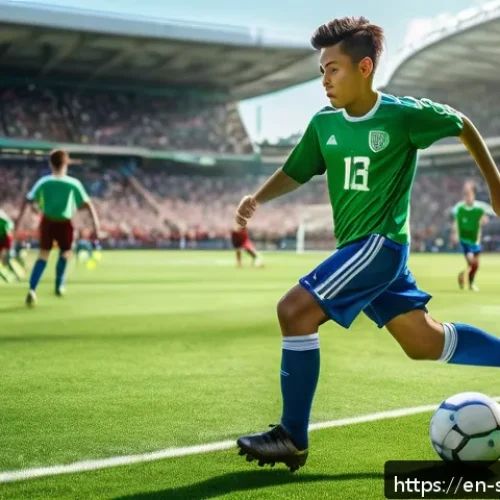
축구 연습 스케줄 짜기 - **Prompt:** A diverse group of youth soccer players, aged 10-14, gathered around a male or female co...

Ever feel like your team’s soccer practices are stuck in a rut, or worse, just plain chaotic? I totally get it. Crafting a practice schedule that genuinely elevates skill, fosters incredible teamwork, and keeps every player buzzing with excitement is a real game-changer, and honestly, it’s not as daunting as it might seem.

축구 연습 스케줄 짜기 관련 이미지 1

I’ve personally experienced the magic of seeing a well-thought-out plan transform a squad, turning hesitant players into confident stars and making every single session feel purposeful and fun.

From integrating the latest agility drills to understanding the psychological nuances that keep motivation sky-high, there’s an amazing blend of art and science to it.

Ready to unlock the secrets to truly impactful training sessions that will have your team dominating the pitch and loving every minute? Let’s uncover exactly how to build a soccer practice schedule that truly delivers!

Beyond the Whistle: Crafting Purposeful Training Sessions

Understanding Your Squad’s DNA

Before you even think about setting up cones or grabbing a ball, take a moment to really *know* your team. I mean, truly know them. What are their individual strengths? Where do they genuinely struggle, not just as a group, but each player on their own journey? I remember a few seasons ago, I was coaching a U12 team, and I kept pushing high-intensity possession drills, wondering why they just weren’t clicking. It felt frustrating, almost like banging my head against a wall. Then it hit me – a few of my newer players were still finding their feet with basic passing and receiving under pressure. My carefully planned drills, while technically sound, were a step too far for some, creating frustration rather than development. Tailoring your approach, whether it’s breaking down complex movements into smaller, manageable steps or focusing on specific positional play for individual growth, is absolutely crucial. This isn’t just about making practice easier; it’s about making it *smarter* and more effective for everyone involved. Without this foundational understanding, even the best drills can fall flat, leaving players disengaged and progress stalled. You’ve got to build from where they are, not where you wish they were. This deep dive into their current abilities sets the stage for everything else, ensuring every minute on the pitch is productive and pushes them just enough out of their comfort zones to grow without feeling overwhelmed. It’s truly about finding that sweet spot where challenge meets capability, fostering an environment where every single player feels seen and supported in their personal journey towards becoming a better athlete and teammate.

Designing for Impact, Not Just Activity

Ever been to a practice where everyone’s running around, working hard, but at the end, you’re left thinking, “What did we actually achieve today?” Yeah, I’ve been there too, both as a player and a coach. It’s so easy to fall into the trap of just doing drills for the sake of doing drills. But truly impactful sessions have a clear, measurable objective. Are we focusing on improving defensive shape? Are we honing our quick transitions from defense to attack? Or perhaps it’s about developing specific decision-making skills under pressure? When I started thinking less about filling the time and more about the specific ‘wins’ I wanted from each session, everything changed. My practices became sharper, more focused, and players started asking better questions because they understood the ‘why’ behind each exercise. It’s like building a house; you don’t just start nailing planks together. You have a blueprint, a vision, and a step-by-step plan. For me, that means identifying one or two key themes per practice, maybe three at most, and then building every single drill around reinforcing those themes. This method ensures that every sprint, every pass, and every tactical instruction contributes directly to the bigger picture, leading to noticeable improvements on game day. It’s about quality over quantity, always, and making sure that every bead of sweat contributes directly to a tangible goal. That feeling when a concept you’ve been drilling finally clicks for the entire team in a game? Absolutely priceless.

Mastering the Micro-Cycle: Weekly Planning Secrets

Balancing Intensity and Recovery

One of the biggest mistakes I see coaches make, and honestly, I made it myself for a while, is not truly understanding the delicate balance between pushing your players hard and allowing them adequate time to recover. It’s not just about avoiding injuries, though that’s obviously a huge part of it. It’s about optimizing performance. Think about it: if you run them ragged with high-intensity drills every single day, their bodies and minds simply won’t have the chance to adapt and grow. Muscles need time to repair, and tactical concepts need time to sink in without mental fatigue clouding judgment. A typical week for me usually involves a high-intensity session early in the week, maybe two days after a game, focusing on speed, agility, and quick decision-making under pressure. Then, mid-week, we shift to a slightly lower intensity, more technical and tactical session, perhaps focusing on set pieces or specific attacking patterns, allowing for more cognitive processing. As we approach game day, it’s all about fine-tuning, light tactical refreshers, and keeping spirits high with some fun, less physically demanding activities. I’ve noticed a massive difference in player energy levels and their ability to execute complex plays when this balance is right. It truly feels like unlocking a cheat code for peak performance, keeping everyone fresh and ready to give their absolute best when it counts most, and minimizing those frustrating late-game energy drops that can cost you dearly.

The Power of Progressive Overload

Just like in the gym, if you want your team to get stronger, faster, and more skilled, you can’t keep doing the same old drills with the same old intensity. That’s where the principle of progressive overload comes into play, and it’s a total game-changer for soccer practice planning. It’s about gradually increasing the demands on your players over time, pushing them just a little bit further each week or each training block. For instance, if you start with a 3v2 possession drill, maybe the next week you make it a 4v3, or introduce a tighter playing area, or add a time limit to each possession. Maybe you increase the number of repetitions, or the duration of each drill. I’ve found that small, incremental changes make a huge difference. You’re not throwing them into the deep end without a paddle; you’re slowly nudging them towards deeper waters, building their confidence and capabilities step by step. This method not only prevents boredom but also constantly challenges players to adapt and improve. When I first started consciously applying this, I saw a dramatic increase in player engagement and, more importantly, a measurable improvement in their technical and tactical execution. It’s about making sure every session builds on the last, creating a clear pathway for continuous growth and making sure they’re always reaching for that next level, truly embodying the idea that stagnation is the enemy of progress.

Day Focus Area Key Drills/Activities Intensity Level
Monday Tactical Review & Speed/Agility Video analysis of last game, high-intensity sprints, ladder drills, 1v1 attacking/defending scenarios. High
Tuesday Technical Skill Development & Possession Passing patterns, dribbling exercises, Rondo (possession games), 4v4 possession with limited touches. Medium
Wednesday Rest or Active Recovery Light jog, stretching, foam rolling, team building activity (optional). Low
Thursday Game Prep & Set Pieces Tactical walk-throughs for upcoming opponent, set piece practice (corners, free kicks), small-sided games focused on game plan. Medium-High
Friday Pre-Game Activation Light warm-up, shooting drills, fun small-sided games, team talk. Low
Advertisement

Keeping the Spark Alive: Injecting Fun and Engagement

Making Drills Feel Like Games

Let’s be real, even the most dedicated players can get a little antsy if practice feels too much like a chore. That’s why one of my absolute favorite tricks is to transform “drills” into “games.” It sounds simple, but the psychological shift it creates is incredible. Instead of saying, “Okay, now we’re doing passing drill number five,” I’ll frame it as, “Let’s play ‘The Wall Game’ to sharpen our one-touch passing!” Or maybe we’ll add a competitive element, like points for successful passes or a mini-tournament structure for small-sided games. I’ve found that even adding simple rules, like if a pass isn’t accurate, the passer has to do five quick toe-taps, instantly ramps up engagement. Kids, and even adults, respond so much better to a challenge they can win or lose, rather than just repeating a motion. My personal experience has shown me that when players are having fun, their focus naturally sharpens, their effort levels soar, and they learn concepts much faster. It stops feeling like work and starts feeling like play, which is exactly what we want in a sport they love. This approach has honestly transformed practices, turning what could be tedious into sessions bursting with energy, laughter, and serious skill development without anyone even realizing they’re ‘drilling.’ It’s like sneaking vegetables into a delicious meal; they’re getting all the good stuff, but they’re enjoying every bite.

Incorporating Player Choice and Feedback

No one likes feeling like a robot just following orders, especially not creative soccer players. That’s why I’ve learned the immense value of giving players a voice in their own development. It’s not about letting them dictate the entire session, but about creating opportunities for them to contribute ideas or choose variations of drills. Sometimes, after a segment, I’ll ask, “Hey, what did you guys think? Any ideas on how we could make that drill more challenging or more game-like?” You’d be amazed at the brilliant suggestions that come out. It makes them feel valued, trusted, and truly invested in the process. I remember one time, my goalkeeper suggested a specific warm-up routine that involved more dynamic stretches, and it was a fantastic idea that we immediately incorporated. Not only did it improve our warm-ups, but it also boosted his confidence and sense of ownership. Getting their feedback on what worked, what didn’t, or what they’d like to focus on next not only provides invaluable insights for me as a coach but also fosters a sense of collective responsibility and team spirit. When players feel heard, they show up with a completely different level of enthusiasm and commitment, turning a good practice into a truly great one and building a sense of camaraderie that extends far beyond the final whistle.

The Unseen Advantage: Integrating Mental Toughness

Building Resilience Under Pressure

Soccer isn’t just a physical game; it’s a mental battle. How often have you seen a technically gifted team crumble under pressure in the final minutes? I’ve seen it countless times, and it always boils down to mental fortitude. That’s why I intentionally weave elements of mental resilience into our practices. It’s not about yelling at them or putting them down; it’s about creating controlled, game-like scenarios that force them to make decisions and perform when the stakes feel higher, even in practice. Think about drills where there’s a consequence for losing possession, like a quick conditioning sprint, or setting up small-sided games with specific “must-score” conditions in the last minute. Or even creating scenarios where they’re down a goal in a scrimmage and have to rally. I remember running a drill where if they failed to score within 30 seconds, the whole team had to do push-ups. The initial groans quickly turned into intense focus and communication. The key is to make these challenges safe and constructive, so they learn to cope with adversity and maintain composure. This isn’t just for game day; it’s a life skill. Seeing a player who used to shy away from big moments now confidently call for the ball and make a decisive pass? That’s the real reward, and it all starts with intentionally building that mental muscle during training, preparing them not just for the next match, but for all of life’s challenges too.

Cultivating a Growth Mindset

For me, one of the most powerful things a coach can do is instill a genuine growth mindset in their players. It means shifting the focus from “I failed” to “What can I learn from this?” It’s a subtle but profound change in perspective that can unlock incredible potential. When a player makes a mistake, instead of just pointing it out, I try to guide them through problem-solving. “Okay, that pass didn’t connect. What were your options there? What could you have done differently?” It’s about encouraging experimentation and understanding that mistakes are not failures but stepping stones to improvement. I’ve found that praising effort and the learning process, rather than just results, makes a huge difference. If they try a new move and it doesn’t work, I’ll say, “Awesome effort trying that! Next time, maybe try X or Y.” This creates a safe environment where players aren’t afraid to take risks and try new things, which is essential for creative play and individual development. I’ve personally seen how this approach has transformed timid players into confident decision-makers who are eager to push their boundaries, knowing that every attempt, successful or not, is a valuable part of their journey. It builds a foundation of self-belief that extends far beyond the soccer pitch, teaching them resilience and adaptability in every aspect of their lives.

Advertisement

Evaluating Success: Are Your Sessions Truly Working?

Observational Insights and Individual Feedback

After a practice, it’s not enough to just pack up the cones and head home. For me, the real learning for both the team and myself happens in the debrief, both mentally and sometimes with the players directly. I make it a habit to consciously observe specific aspects of player performance during drills – not just whether they completed the task, but *how* they completed it. Were they communicating effectively? Were their decisions quick and accurate under pressure? Was their body language positive? And crucially, I collect individual feedback. This could be a quick chat with a player after practice, asking them what they felt went well or where they struggled. I remember a conversation with a defender who was having trouble with clearances. Instead of just telling him what to do, I asked him to describe what he was seeing and feeling in those moments. His insights helped me tailor specific drills for him in the next session. This personal touch, this genuine interest in their individual experience, is invaluable. It helps me understand if the messages are landing, if the drills are truly challenging them in the right ways, and it builds a stronger coach-player bond. Without constantly checking in and observing with a critical eye, you’re essentially coaching in the dark, hoping for the best rather than actively guiding progress and missing out on countless opportunities to refine your approach.

Data-Driven Adjustments and Iteration

While gut feeling and observational insights are crucial, sometimes you need a little more concrete data to truly understand if your practice schedule is hitting the mark. This doesn’t mean you need fancy GPS trackers for a youth team, though that can be great for higher levels. It could be as simple as tracking successful pass percentages in a small-sided game over a few weeks, or counting the number of shots on target. For me, it’s often about looking at game statistics and seeing if the improvements we’re targeting in practice are actually translating onto the pitch. Are we conceding fewer goals from set pieces because we drilled them relentlessly? Is our attacking transition time faster? If I see a persistent issue in games, that immediately tells me I need to go back to the drawing board for our practice plans. It’s an iterative process, really. You plan, you execute, you observe, you analyze, and then you adjust. There was a season where our team kept getting caught on the counter-attack, despite working on defensive shape. Reviewing game footage and tallying instances of defensive lapses showed us exactly *when* and *where* these breakdowns were happening, allowing us to create hyper-focused drills to fix the issue. This cycle of continuous improvement, fueled by both qualitative and quantitative insights, is what truly elevates a good coach to a great one, ensuring your training always evolves to meet your team’s current needs and keeps you ahead of the competition.

축구 연습 스케줄 짜기 관련 이미지 2

From Chaos to Cohesion: Building Team Synergy

Fostering Communication and Trust

A soccer team is like a finely tuned orchestra; if one instrument is out of sync, the whole performance suffers. And at the heart of that synchronization is communication and trust. You can have eleven incredibly talented individuals, but if they aren’t talking to each other, anticipating each other’s moves, and trusting each other to cover, it all falls apart. That’s why a significant portion of my practice planning is dedicated to drills that specifically force and reward communication. I’ll often use blindfolded passing drills where players have to rely solely on verbal cues, or small-sided games where specific players are only allowed to communicate through non-verbal signals for a few minutes. It sounds a bit unconventional, but these exercises highlight just how crucial clear, concise communication is. I also make sure to create opportunities for players to build trust off the field, perhaps through team-building activities or simply encouraging them to hang out. I’ve seen firsthand how a team that truly trusts each other, both on and off the pitch, can overcome seemingly insurmountable challenges. When they know their teammate has their back, they play with a fearless abandon that elevates everyone’s game. It’s not just about winning; it’s about creating an unbreakable bond that makes every moment on the field exhilarating, turning a collection of individuals into a powerful, unified force that’s ready to take on anything.

Developing Tactical Understanding as a Unit

Individual skill is vital, no doubt, but soccer is fundamentally a team sport, and developing a collective tactical understanding is where true magic happens. This isn’t just about telling players where to stand; it’s about helping them understand the *why* behind every movement, every pass, every defensive block. I find it incredibly effective to use tactical walk-throughs and video analysis in conjunction with live drills. After a small-sided game, we might pause and re-enact a specific moment, discussing different options and their consequences. “Okay, defender, if you step up here, what space does that open up behind you? Forward, if you make this run, how does that pull their center-back out of position?” I’ve personally seen how this interactive approach, rather than just lecturing, empowers players to think for themselves on the field. They start to read the game better, anticipate opponents’ moves, and make intelligent decisions without constant instruction from the sidelines. It’s about building a shared mental model of the game, so that when a specific situation arises, everyone instinctively knows their role and how to react as a cohesive unit. This collective intelligence is what transforms a group of good players into an unstoppable force, a team that truly understands the beautiful game on a deeper level and plays with a synchronicity that’s a joy to behold.

Advertisement

Concluding Thoughts

Whew, what a journey we’ve taken through the ins and outs of crafting truly impactful training sessions! It’s something I’ve poured years of my life into, and honestly, every season still brings new lessons. I genuinely hope that sharing these insights—from understanding your squad’s unique dynamic to fostering an environment where every player feels seen and empowered—helps you on your own coaching path. Remember, it’s not just about the Xs and Os; it’s about building character, resilience, and a love for the game that lasts a lifetime. The smiles, the shared victories, and even the tough lessons learned together make every single moment worth it. Keep that passion burning, because it’s truly infectious!

Handy Tips You’ll Wish You Knew Sooner

1. Always Start with “Why”: Before introducing any drill, take a moment to explain its purpose and how it ties into your team’s overall strategy. When players understand the ‘why,’ they engage more deeply and grasp concepts faster. I’ve seen a noticeable shift in focus when I started doing this consistently.

2. Keep it Fun, Always: Even professional athletes benefit from enjoyment in their training. Injecting playful elements, mini-competitions, or even themed sessions can prevent burnout and keep the energy high. Remember, joy is a powerful motivator, and it keeps them coming back for more, week after week!

3. Individualize When Possible: While team cohesion is paramount, acknowledging and addressing individual player needs, whether it’s specific skill development or mental support, builds trust and accelerates personal growth. A quick word of encouragement or a tailored tip can make all the difference.

4. Embrace Imperfection: No session will be perfect, and neither will every player’s performance. Focus on effort and learning over flawless execution. Creating a safe space for mistakes encourages risk-taking and ultimately, innovation and better problem-solving on the field. It’s how we truly grow.

5. Listen to Your Players: They are on the field experiencing it firsthand. Their feedback, even seemingly small observations, can provide invaluable insights into what’s working and what isn’t. Opening that dialogue fosters a sense of ownership and mutual respect that strengthens the entire team dynamic.

Advertisement

Wrapping Up the Essentials

So, to sum up our chat today, remember that great coaching isn’t about rigid adherence to a plan; it’s about dynamic, player-centered development. First, truly know your team – their strengths, their challenges, their individual personalities. This empathy forms the bedrock of every successful session. Second, design each practice with clear, impactful objectives, always asking yourself, “What tangible improvement are we aiming for today?” Don’t just fill time; make every second count. Third, master the micro-cycle, balancing intense work with crucial recovery, and progressively challenging your squad to push their boundaries a little further each time. And critically, keep the spark alive by making drills feel like games and actively involving your players in the process. Finally, never forget the mental game: building resilience and fostering a growth mindset will equip your players not just for the pitch, but for life beyond it. Constantly evaluate, observe, and adapt. These aren’t just tips; they’re the guiding principles that have shaped my most rewarding coaching experiences, transforming potential into palpable success. It’s an ongoing journey of learning and growing, and I wouldn’t have it any other way!

Frequently Asked Questions (FAQ) 📖

Q: My players seem to lose focus halfway through practice, and sometimes it feels like they’re just going through the motions. What are your go-to strategies to keep them engaged and genuinely excited from start to finish?

A: Oh, I’ve been there so many times, watching enthusiasm slowly drain away and thinking, “What am I doing wrong?” What I’ve found, and this has been a total game-changer for my teams, is that variety and a touch of the unexpected are your secret weapons.
Seriously, if you do the same warm-up, the same passing drill, and the same small-sided game every single week, even the most passionate players will start to tune out.
My personal trick is to theme practices sometimes – maybe a “World Cup Wonders” day where we focus on skills from different countries, or a “Goal Machine” session dedicated solely to finishing drills in creative ways.
I also love to incorporate competitive but fun elements, like a “champions league” style tournament at the end of practice where teams can earn points over a few weeks.
One time, I even brought out a giant inflatable target for shooting accuracy, and the energy was through the roof! It’s about making them feel like every practice holds a new challenge or a fresh, exciting game to look forward to.
And don’t underestimate the power of positive reinforcement – acknowledging effort and celebrating small wins keeps that motivation bubbling.

Q: It feels like there’s so much to cover in a limited practice time: technical skills, tactical understanding, and physical conditioning. How do you effectively balance all these crucial elements without overwhelming the team or sacrificing one for another?

A: This is honestly one of the biggest puzzles every coach faces, and for a long time, I struggled to fit everything in without making practices feel rushed or disjointed.
My breakthrough came when I started thinking less about separate blocks and more about integration. Instead of a 15-minute conditioning sprint, then a 20-minute passing drill, then a 25-minute tactical session, I began designing drills that hit multiple targets simultaneously.
For instance, a small-sided game with specific constraints – like limiting touches or requiring players to switch the field often – inherently works on tactical awareness, technical control, and conditioning all at once.
It’s like getting three birds with one stone! I also make sure my warm-ups aren’t just a jog around the field anymore. Dynamic warm-ups with a ball can get touches in, wake up their muscles, and even introduce a tactical concept for the day.
And don’t forget to rotate your focus throughout the week or season. You might dedicate one practice primarily to defensive shape and another to attacking transitions, but always try to have a thread of physical and technical work woven throughout.
It’s a bit like cooking; you’re blending ingredients to create a delicious meal, not just serving them raw on separate plates.

Q: My team has players with a pretty wide range of skill levels, and some are much younger or newer to the sport than others. How do you tailor a practice schedule to ensure everyone is challenged appropriately and feels like they’re growing, rather than feeling left behind or bored?

A: This is a classic challenge, and it’s something I’ve put a lot of thought into because no one wants a player feeling left out or unengaged. What I’ve found most effective is a multi-layered approach to drills.
Instead of giving everyone the exact same task, I’ll often set up a core activity and then offer “challenge options” for the more advanced players and “support options” for those who need a bit more guidance.
For example, during a dribbling exercise, stronger players might be tasked with more intricate turns or navigating tighter spaces, while newer players focus on simply maintaining control and looking up.
Another strategy I absolutely love is peer coaching. Pairing a more experienced player with a newer one can be incredibly beneficial for both – the advanced player solidifies their understanding by teaching, and the newer player gets personalized, immediate feedback.
Sometimes, I’ll even split the team for short periods into smaller groups based on specific skill needs for targeted work, then bring them back together for a full-team scrimmage.
The key is to constantly observe, communicate with your players, and be flexible. No two teams are identical, and what works one week might need a tweak the next.
It’s all about creating an environment where everyone feels seen, supported, and challenged just enough to keep improving.