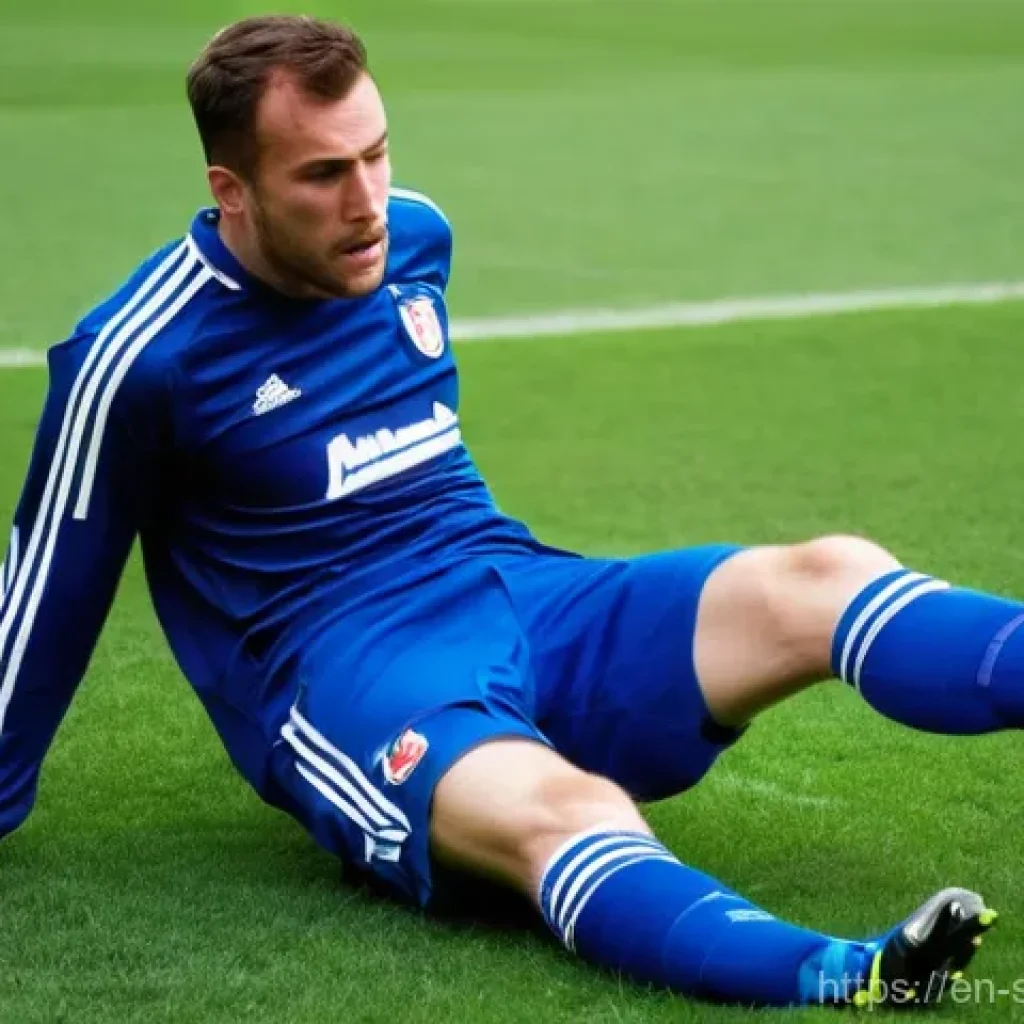
There’s nothing quite like the thrill of a football match, is there? The roar of the crowd, the perfectly timed tackle, the sheer joy of a goal. But amidst all that excitement, there’s a flip side every player knows too well: the dreaded injury.
I’ve been there, limping off the pitch, nursing a twisted ankle, and wondering if I’d ever play at full strength again. It’s a frustrating, often painful part of the game we all love.
What if you could better understand those common setbacks and, more importantly, know exactly what to do when they strike? With advancements in sports medicine and rehabilitation, a proactive approach can make all the difference, not just in recovery, but in preventing them altogether.
This isn’t just about professional athletes; it’s about anyone who steps onto the pitch, from weekend warriors to school team stars. You deserve to play safely and recover smartly.
Let’s get into the nitty-gritty and equip ourselves with the knowledge to stay in the game.
The Ankle Agony: Twists, Sprains, and Setbacks
Oh, the dreaded ankle twist. I swear, it feels like every footballer, myself included, has had at least one close encounter with this particular agony. You’re flying down the wing, minding your own business, then one wrong step, a hidden divot, or a clumsy challenge, and *pop* – you’re on the ground, clutching your ankle and wondering if your season’s over. It’s not just a ‘sprain,’ either. Doctors will tell you there are different grades, from a mild stretch of the ligaments to a full-blown tear. I remember one time, playing a Sunday league match, I came down awkwardly after a header, and my ankle just gave way. The initial pain was intense, but it was the throbbing ache that settled in afterwards that really got to me. It’s a cruel reminder of how quickly the game can turn on you, transforming a moment of triumph into one of sheer frustration. What’s critical is how you react in those first few minutes and hours. That immediate attention can truly dictate the speed and completeness of your recovery, getting you back on the pitch rather than on the sidelines for what feels like an eternity. We all want to be back out there, don’t we? But rushing it, I’ve learned the hard way, only makes things worse. It’s about listening to your body and giving it the time and proper care it deserves.
Immediate Steps for Ankle Injuries
When your ankle takes a hit, the first thing on your mind is often panic. But staying calm and acting quickly can make a huge difference. The tried-and-true R.I.C.E. method is your best friend here: Rest, Ice, Compression, Elevation. I’ve found that getting an ice pack on it within minutes helps immensely with the swelling. Don’t underestimate how much that initial swelling can prolong your recovery. Keep it elevated whenever possible – prop it up on pillows while you’re relaxing or even sleeping. And honestly, *rest* is non-negotiable. Trying to walk it off or play through the pain? Been there, done that, and trust me, it’s a recipe for a much longer time off the pitch. Getting a proper diagnosis from a physio or doctor is also key. They can rule out anything more serious, like a fracture, and give you a tailored recovery plan. Ignoring the pain often leads to chronic instability, which means those dreaded twists can become a regular occurrence. Nobody wants to be the player constantly limping, right?
Strengthening for Future Protection
Once the initial pain subsides, and you’re cleared to start moving, strengthening is paramount. It’s not just about getting back to where you were; it’s about becoming stronger to prevent recurrence. I’ve spent countless hours with resistance bands, doing calf raises, and balance exercises – standing on one leg, closing my eyes, and trying to stay steady. It feels mundane, almost boring, but the payoff is huge. A strong ankle and surrounding muscles act like natural armor. You’ll notice a marked improvement in your confidence on the ball and during quick changes of direction. It’s a commitment, sure, but think of it as an investment in your playing career, whether you’re aiming for the pros or just enjoying your weekly kickabout. Without this crucial step, you’re essentially leaving yourself vulnerable to the same injury again and again. And believe me, that cycle of injury and recovery is far more frustrating than a few minutes a day with some simple exercises. My physio always stressed that consistency is king here, and they were absolutely right.
Knee Knocks: The Game’s Most Vulnerable Joint
The knee – it’s a powerhouse, a pivotal joint for everything we do on the pitch, but boy, is it vulnerable! From sharp turns to unexpected tackles, our knees take a beating. Ligament tears, especially the dreaded ACL (anterior cruciate ligament), are the ones that really strike fear into a player’s heart. I remember a friend, a brilliant winger, going down awkwardly after a challenge. It wasn’t even a bad tackle, just a misstep, and you could see the distress on his face immediately. The sound, if you’re close enough, can be unsettling, a sort of ‘pop’ that instantly signals serious trouble. He was out for a year, and it was devastating to watch him go through that rehabilitation. But it’s not always about big, dramatic injuries. Patellar tendinitis, often called ‘jumper’s knee,’ can creep up on you too, a nagging pain just below the kneecap that makes every jump and sprint a painful ordeal. I’ve dealt with that myself, a persistent ache that just wouldn’t quit, especially after a particularly intense training week. It really changes how you approach the game, making you hesitant, afraid to push off with full power. Understanding the signs and symptoms early can be the difference between a minor setback and a lengthy absence from the beautiful game. Our knees are too vital to neglect; they literally keep us in the game, so treating them with respect and foresight is key to a long and enjoyable playing career.
Navigating Ligament and Cartilage Concerns
When it comes to the complex world of knee injuries, ligaments and cartilage are often the main culprits. The ACL, PCL, MCL, and LCL – these are the unsung heroes holding your knee together. A tear in any of them, especially the ACL, usually means surgery and a long, arduous recovery. It’s a mental game as much as a physical one, battling doubt and frustration while you meticulously follow your rehab protocol. Then there’s cartilage, like the menisci, which act as shock absorbers. A tear here can cause locking, clicking, and persistent pain, making simple movements feel impossible. I’ve seen teammates struggle with meniscus tears, trying to play through it, only for it to get worse. It’s a tough pill to swallow when you realize you might be out for a while, but getting an accurate diagnosis with an MRI is crucial. Don’t guess; get it checked. Early intervention, whether it’s surgery or focused physiotherapy, dramatically improves your chances of a full return to form. The worst thing you can do is push through sharp pain, hoping it will magically disappear, because more often than not, it will lead to more significant and long-lasting damage that takes even longer to heal properly.
Beating Patellar Tendinitis and Overuse
For those annoying overuse injuries like patellar tendinitis, the key lies in understanding the ‘load.’ It often comes from doing too much, too soon, or with improper technique. My experience with it taught me the importance of listening to my body, even when I desperately wanted to push through. The pain typically flares up during or after activity and can make going up or down stairs feel like a monumental task. The initial treatment often involves rest, ice, and anti-inflammatory medication. But the long-term solution is about strengthening the quadriceps and improving flexibility. Eccentric exercises, where you lengthen the muscle under tension, have been a game-changer for me. Think slow, controlled descents during squats or leg extensions. It’s also about proper footwear and making sure your running or jumping mechanics aren’t putting undue stress on the tendon. Ignoring it can turn an intermittent ache into chronic pain, severely limiting your ability to play. Incorporating dynamic warm-ups and thorough cool-downs, focusing on stretching your quads and hamstrings, has also been incredibly beneficial in keeping this particular issue at bay. It’s all about consistency and smart training.
Hamstring Hell: The Sprinter’s Silent Killer
There’s nothing quite like that sudden, sharp pang in the back of your thigh as you burst into a sprint, is there? The hamstring strain is, in my opinion, one of the most frustrating injuries in football. One minute you’re chasing down a long ball, feeling powerful, and the next you’re clutching your leg, feeling that familiar tightening, sometimes even a ‘pop.’ It’s not usually as dramatic as an ACL tear, but it can be notoriously stubborn to heal and even more notorious for recurring. I’ve seen countless players, myself included, suffer a hamstring strain, return to play, only to feel that familiar twinge again a few weeks later. It’s demoralizing. It affects everything – your top-end speed, your acceleration, even your ability to simply jog comfortably. The frustrating part is that it often feels fine when you’re just walking around, lulling you into a false sense of security. Then, the moment you try to hit that next gear, BAM! It’s back. This cycle of injury and re-injury is precisely why a thorough and patient approach to recovery is absolutely essential. It’s not just about getting rid of the pain; it’s about rebuilding strength and resilience to truly prevent it from becoming a recurring nightmare that continuously sidelines you from the game you love.
Recognizing and Recovering from a Hamstring Strain
When a hamstring strain hits, you’ll know it. It’s typically a sudden, sharp pain during acceleration or maximum effort. The immediate aftermath might involve bruising and swelling, and you’ll definitely feel a loss of power. The first few days are all about rest, ice, and gentle stretching once the initial pain has settled down. Don’t try to be a hero and push through it; you’ll only make it worse. I’ve learned that lesson the hard way. The recovery process is often slow and steady, focusing on gradually increasing flexibility and strength. Eccentric hamstring exercises – where the muscle lengthens under tension – are absolutely crucial here. Think Nordic hamstring curls or using a glute-ham developer. These exercises specifically target the muscle fibers most prone to injury and help build resilience. It’s about meticulously building the strength back up, rather than just waiting for the pain to disappear. Many players rush back because they feel ‘okay,’ but until the hamstring is robustly re-conditioned, you’re just waiting for the next strain. It’s a process that requires patience and discipline, but the reward is a stronger, more resilient hamstring ready for the demands of the game.
Preventing the Pesky Recurrence
The key to preventing hamstring strains from becoming your arch-nemesis is a multi-faceted approach. First, dynamic warm-ups are non-negotiable. Forget static stretching before a game; get your muscles warm and ready with leg swings, light jogging, and active stretches. Second, strengthening your glutes and core is just as important as strengthening your hamstrings directly. A strong posterior chain works synergistically, distributing load more effectively. I’ve found that incorporating glute bridges, planks, and deadlifts (with proper form, of course) into my routine has made a significant difference. Third, don’t ignore flexibility, but focus on active flexibility and mobility rather than just passive stretching. And finally, listen to your body! Fatigue is a huge predictor of hamstring strains. If you feel tightness or a slight twinge, ease off. It’s far better to miss a training session or part of a game than to be out for weeks or months. Proper hydration and nutrition also play an underrated role in muscle health and recovery. It all comes down to being proactive and smart about your body’s capabilities and limits.
Groin Pains: The Unseen Struggle
Groin pain, often shrouded in a bit of mystery, is one of those injuries that can silently plague a footballer, making every change of direction, every shot, and even every pass an agonizing experience. It’s not as visually dramatic as an ankle twist or a knee collapse, but the impact on your performance is just as profound. I’ve known players who have battled chronic groin issues for seasons, never quite getting rid of that deep ache that radiates into the lower abdomen. It often comes from repetitive movements, explosive changes of direction, or even powerful shots. Adductor strains are common, but it can also be related to sports hernia (athletic pubalgia) or hip impingement, making diagnosis tricky. The pain can be incredibly insidious, starting as a minor niggle that you try to ignore, only for it to escalate into something that makes simply putting on your socks a challenge. It’s a truly frustrating injury because it impacts such fundamental movements in football, making you feel slow, hesitant, and constantly on edge. The sheer inability to fully extend or explosively push off can take all the joy out of the game. That feeling of being unable to perform at your best, knowing your body is holding you back, is a tough mental hurdle to overcome, emphasizing the need for both physical and mental resilience.
Unraveling Groin Strain Mysteries
When you feel that familiar ache in your groin, it’s usually an adductor muscle strain – one of the inner thigh muscles. These muscles are crucial for stabilizing the pelvis and bringing your legs together. Strains often occur during sharp, explosive movements like kicking, turning, or sprinting. The R.I.C.E. protocol is your initial go-to, just like with other soft tissue injuries. However, with groin strains, the recovery often feels longer and more delicate due to the constant demands placed on these muscles during everyday activities, let alone football. Gentle, pain-free stretching and strengthening of the adductors and surrounding hip muscles are paramount. I’ve found that starting with isometric exercises, where you tense the muscle without moving the joint, can be a great way to re-introduce load. The trick is to progress very gradually, ensuring no pain. Pushing too hard, too soon, almost guarantees a setback. A proper diagnosis to rule out more complex issues like a sports hernia is also vital. This might require an MRI to pinpoint the exact location and severity of the injury. Don’t hesitate to consult a sports doctor or a specialist physiotherapist who can guide you through the nuanced recovery process that these injuries often demand.
Strengthening the Core and Hips for Prevention
To really tackle groin issues and prevent their return, you need to look beyond just the adductors themselves. The core and hip stability are massive factors. Think about it: every time you change direction or strike a ball, your core and hip muscles work together to provide power and stability. If they’re weak, the adductors take on too much load and eventually give out. Incorporating exercises like planks, side planks, hip abductions, and glute exercises (like clam shells or resistance band walks) into your routine can make a world of difference. I personally prioritize hip mobility drills and core strengthening almost as much as my leg workouts. It’s about creating a strong, stable foundation for all those explosive movements. Proper warm-ups that include dynamic hip stretches are also essential. Neglecting these areas is like trying to build a house on shaky ground – eventually, something’s going to crack. It’s a holistic approach to injury prevention that truly pays dividends on the pitch, allowing you to move freely, powerfully, and, most importantly, pain-free. It means more time dominating the midfield and less time nursing a nagging ache.
Shoulder Shocks and Arm Aches: Beyond the Lower Body
While football is predominantly a lower-body sport, let’s not forget about our upper halves! Goalkeepers especially know the agony of shoulder injuries – diving saves, collisions with opponents, or landing awkwardly can lead to sprains, dislocations, or even rotator cuff tears. But field players aren’t immune either. Collisions, awkward falls, or even using your arms to break a fall can lead to wrist sprains, finger fractures, or shoulder problems. I remember a particularly nasty fall where I landed squarely on my shoulder after being challenged in the air. For a few terrifying seconds, I thought I’d dislocated it. Luckily, it was just a severe sprain, but the throbbing pain and limited movement for weeks afterward were a stark reminder that every part of your body is fair game for injury. It’s easy to overlook these upper body issues when all the focus is on legs and feet, but they can be just as debilitating and frustrating, keeping you off the pitch or severely limiting your ability to perform even basic tasks. The challenge with these injuries is that they often restrict daily activities beyond just playing football, making recovery feel even more pervasive and impacting. It’s not just about getting back to the game, but about regaining full functional use of your upper body.
Dealing with Shoulder and Arm Trauma
When you take a tumble and land on your shoulder or arm, the immediate concern is often ruling out a fracture or dislocation. Severe pain, deformity, or an inability to move the joint freely are red flags that warrant immediate medical attention. For sprains and contusions, the R.I.C.E. principles still apply. Rest is crucial, often requiring a sling to immobilize the affected area and allow tissues to heal. I’ve had to wear a sling after a shoulder sprain, and it was a humbling experience, realizing how much you rely on your dominant arm for everything. Once the acute pain subsides, gentle range-of-motion exercises are key to preventing stiffness. Gradually introducing strengthening exercises for the rotator cuff and surrounding shoulder muscles will help restore stability and prevent recurrence. For goalkeepers, this kind of specific strengthening is absolutely non-negotiable for protecting their most valuable assets. Don’t rush the process, and definitely don’t try to ‘play through’ sharp shoulder or arm pain, as it can lead to chronic issues and limit your long-term athletic potential. Trust me, a bit of patience now saves a lot of pain and frustration later. You need that full range of motion for diving saves and throwing long passes.
Wrist and Hand Woes for Field Players

While goalkeepers face the brunt of hand and wrist injuries, field players are not entirely safe. Think about using your hands to break a fall, or getting tangled up in a challenge. Wrist sprains, jammed fingers, or even minor fractures are surprisingly common. The immediate pain can be excruciating, and even a ‘simple’ jammed finger can feel like the end of the world when you’re trying to control a ball. For minor sprains or jams, initial treatment involves ice and rest. Taping fingers together can provide support and help with healing. However, if there’s significant swelling, persistent pain, or any deformity, it’s vital to get it checked out by a doctor to rule out fractures. I’ve seen players try to ignore a fractured finger, only for it to heal improperly and cause long-term issues with grip and dexterity. Proper rehabilitation focuses on restoring full range of motion and strength, ensuring you can still perform skills like throwing ins or even just holding the ball properly. Don’t let a seemingly minor hand injury turn into a chronic problem that impacts your ability to play; swift and appropriate care is the best defense against long-term impairment.
Head Impacts: Taking Concussions Seriously
Okay, let’s talk about something that we’re all, thankfully, becoming much more aware of: head impacts and concussions. For years, it felt like ‘getting your bell rung’ was just part of the game. But we now know better, and it’s something that should never, ever be taken lightly. A collision, a head-to-head contact, or even a fall where your head hits the ground can result in a concussion, and it doesn’t always involve losing consciousness. I’ve witnessed teammates take what looked like an innocuous bump, only to realize later they were disoriented, dizzy, and not quite themselves. The insidious thing about concussions is that the symptoms can be delayed, sometimes appearing hours or even a day later. Things like headaches, confusion, sensitivity to light or noise, or even just feeling ‘foggy’ are all warning signs. We need to be vigilant, not just for ourselves, but for our teammates. If there’s any suspicion of a concussion, the rule is simple and non-negotiable: GET OFF THE PITCH IMMEDIATELY. Playing on with a concussion, especially if you take another hit, can lead to much more severe and long-lasting brain damage. It’s a scary thought, but it’s a reality we must confront to protect ourselves and each other. The old ‘tough it out’ mentality has no place here; our brains are too precious.
Recognizing Concussion Symptoms
Knowing the signs of a concussion is vital, and it’s not always obvious. It’s not just about a player falling unconscious. Keep an eye out for a dazed appearance, slurred speech, confusion about where they are or the score, memory issues (like not remembering the play they just ran), balance problems, or uncharacteristic behavior. Headaches, nausea, vomiting, dizziness, and sensitivity to light or sound are also common symptoms. Sometimes, these symptoms don’t show up immediately, which is why monitoring a player for hours after a potential head injury is so important. I’ve learned to trust my gut – if a teammate seems ‘off’ in any way after a head impact, even if they insist they’re fine, it’s always better to err on the side of caution. We owe it to each other to look out for these signs. As players, we’re competitive, and we want to stay in the game, but when it comes to head injuries, that desire has to take a back seat to long-term health. Education is our most powerful tool here, ensuring everyone on the field, from players to coaches, understands the gravity of these injuries and how to respond appropriately and swiftly.
Concussion Protocol: Rest and Recovery
If a concussion is suspected, the immediate action is removal from play. There is no ‘playing through’ a concussion. The next critical step is complete physical and cognitive rest. This means no football, no strenuous activity, and often, reduced screen time, reading, and even social interaction initially. The brain needs time to heal. Gradually, under medical supervision, a player can begin a step-by-step return-to-play protocol, slowly increasing activity levels only if symptoms do not return. This process can take weeks, sometimes months, and it requires immense patience. Rushing back too soon significantly increases the risk of ‘second impact syndrome,’ which can be devastating. I’ve seen firsthand how frustrating this can be for competitive players, but the long-term consequences of not following protocol are far too severe. We’re talking about protecting brain health, which is more important than any game. It’s about prioritizing safety and advocating for ourselves and our teammates to ensure that head injuries are treated with the seriousness they deserve, fostering a culture of health over heroics on the pitch.
Preventing the Pain: Your Best Defense
Alright, we’ve talked a lot about what happens when things go wrong, but let’s shift gears to how we can stop them from happening in the first place. Because honestly, the best recovery is the one you never have to make! Preventing injuries isn’t some secret formula; it’s a combination of smart training, proper preparation, and listening to your body. Think of it as building a robust shield around yourself every time you step onto the pitch. I used to think I was invincible, especially in my younger days, and would often skip parts of the warm-up or cool-down. Big mistake! I learned quickly that those small moments of neglect can add up to big problems. It’s not about being lucky; it’s about being proactive. This means being diligent about your fitness, not just your football skills. Strength training, flexibility, and good nutrition all play massive roles that are often overlooked until an injury forces you to pay attention. The goal is to create a body that is resilient, adaptable, and less prone to the shocks and stresses that are an inevitable part of competitive football. It’s an ongoing commitment, a lifestyle choice, but one that allows you to enjoy the game for longer and at a higher level, without the constant fear of being sidelined.
Smart Warm-ups and Cool-downs
This is where it all begins and ends. A proper warm-up isn’t just a formality; it’s crucial for preparing your muscles, joints, and cardiovascular system for the demands of the game. Forget static stretching cold muscles; we’re talking about dynamic movements that gradually increase your heart rate and muscle temperature. Think light jogging, leg swings, arm circles, high knees, and butt kicks. These movements prime your body, increasing blood flow and improving joint mobility, making your muscles more pliable and less prone to sudden strains. I always feel the difference when I’ve had a thorough warm-up; my first few sprints feel smoother, and my movements are sharper. And at the other end of the spectrum, the cool-down is just as important, though often rushed. Gentle jogging to bring your heart rate down, followed by static stretches to improve flexibility and aid muscle recovery. This helps reduce muscle soreness and stiffness, allowing you to bounce back quicker for the next session. Neglecting these bookends of your training can leave you vulnerable to those frustrating little pulls and aches that accumulate over time. They’re not just ‘nice-to-haves’; they’re essential components of any serious player’s routine.
Strength, Flexibility, and Fueling Your Body
Beyond the immediate pre and post-game rituals, long-term injury prevention hinges on consistent strength training, flexibility work, and smart nutrition. Building a strong foundation, especially in your core, hips, and legs, provides stability and power, reducing the risk of strains and sprains. I’ve found that incorporating functional strength exercises – squats, lunges, deadlifts, and plyometrics – into my weekly routine has made me feel much more robust on the pitch. Flexibility is also key; mobile joints and supple muscles are less likely to tear. Regular stretching, yoga, or foam rolling can significantly improve your range of motion. And let’s not forget about what you put into your body. Fueling yourself with nutrient-rich foods provides the energy for performance and the building blocks for recovery. Proper hydration is also non-negotiable. It’s not just about avoiding injury, but optimizing your performance. A well-nourished, strong, and flexible body is a resilient body, capable of enduring the rigors of football and bouncing back quickly from demanding sessions. It’s an investment in your athletic longevity, allowing you to keep playing the game you love without constant interruptions.
The Road to Recovery: Smart Steps Back to the Pitch
So, despite all our best efforts, sometimes injuries just happen. It’s part of the game. But what truly defines a player isn’t just how they play, but how they recover. The road back to the pitch can be long, frustrating, and filled with doubts. I’ve been there, staring at the ceiling after surgery, wondering if I’d ever feel 100% again. It’s a mental battle as much as a physical one. But here’s the kicker: recovery isn’t just about waiting for the pain to disappear. It’s an active process, a meticulous journey guided by professionals, that strengthens not just the injured part, but your entire body and mind. Rushing back is almost always a mistake, leading to re-injury and prolonging your time away. The key is patience, consistency, and a well-structured rehabilitation program. It’s about listening to your physio, trusting the process, and celebrating the small victories along the way, whether it’s the first pain-free jog or the first time you kick a ball again. This structured approach, I’ve seen countless times, is what separates those who fully recover from those who battle chronic issues. It’s your chance to come back stronger, smarter, and more resilient than ever before. Don’t waste the opportunity to truly rebuild yourself.
Navigating Physiotherapy and Rehabilitation
Physiotherapy is your absolute best friend during recovery. A good physio won’t just treat the injury; they’ll assess your biomechanics, identify underlying weaknesses, and create a tailored plan to get you back to peak condition. This often starts with reducing pain and swelling, then progressing to restoring range of motion, building strength, and finally, sport-specific exercises. It’s a painstaking process, often involving exercises that feel mundane, but each one serves a purpose. I’ve spent hours doing seemingly simple balance drills or resistance band exercises, but the cumulative effect is what truly makes a difference. They’ll push you, but safely, ensuring you’re not overdoing it. Communication with your physio is key – be honest about your pain levels and how you’re feeling. They’re there to guide you, not to judge. This expert guidance is what prevents you from making common mistakes, like trying to rush back or performing exercises incorrectly, which can lead to further damage. Trusting their expertise and committing fully to their prescribed regimen is the most direct route to a complete and lasting recovery. They’re your personal recovery coaches, and their knowledge is invaluable.
The Gradual Return to Play Protocol
Once you’ve completed your intensive rehabilitation, the next phase is the gradual return to play (RTP) protocol. This isn’t a free-for-all; it’s a carefully structured progression designed to safely reintroduce you to the demands of football. It typically starts with light aerobic activity, then moves to sport-specific drills without impact (like passing and shooting), then to non-contact team training, and finally, full-contact practice and competitive games. Each stage is contingent on being symptom-free. If symptoms return, you go back to the previous stage. This conservative approach minimizes the risk of re-injury. I’ve found that the mental game is huge here. You’ll be itching to get back into the thick of it, but it’s crucial to respect the process. Don’t skip steps, even if you feel amazing. Your body needs time to adapt to the increasing loads. Patience is truly a virtue during this phase, and celebrating each small milestone – the first sprint, the first jump, the first tackle – helps maintain motivation. It’s about building confidence back, physically and mentally, so when you finally step back onto that pitch for a game, you know you’re truly ready to give it your all, without reservation or fear.
| Common Football Injury | Typical Symptoms | Immediate Actions |
|---|---|---|
| Ankle Sprain | Pain, swelling, bruising, difficulty bearing weight, reduced range of motion. | R.I.C.E. (Rest, Ice, Compression, Elevation) immediately. Seek medical advice for diagnosis. |
| Hamstring Strain | Sudden sharp pain in the back of the thigh during sprinting/acceleration, bruising, swelling, tenderness. | R.I.C.E. Avoid stretching initially. Gentle movement after a few days. |
| Groin Strain (Adductor) | Pain in the inner thigh/groin, especially during kicking, turning, or sprinting. Tenderness, limited movement. | R.I.C.E. Avoid movements that cause pain. Gradual, pain-free strengthening. |
| Knee Ligament Injury (e.g., ACL) | Sudden ‘pop’ sound, severe pain, swelling, instability (knee giving way), limited movement. | Immobilize, ice, seek immediate medical attention. Do not attempt to walk on it. |
| Patellar Tendinitis (Jumper’s Knee) | Pain below the kneecap, especially with jumping, running, or stairs. Worsens with activity. | Rest, ice, gradual strengthening of quadriceps, eccentric exercises. |
| Concussion | Headache, dizziness, confusion, nausea, sensitivity to light/noise, ‘foggy’ feeling, memory issues. | Remove from play immediately. Seek medical evaluation. Complete rest, no screen time initially. |
Wrapping Things Up
Well, we’ve certainly covered a lot of ground today, haven’t we? From the sudden agony of an ankle twist to the insidious nature of groin pain and the serious concerns around head impacts, it’s clear that football, as much as we love it, comes with its share of physical challenges. But what I really want you to take away from all this isn’t fear, but rather empowerment. Understanding these injuries, knowing how to prevent them, and crucially, how to recover smartly, makes all the difference. It allows us to play the beautiful game we’re so passionate about for longer, safer, and with more confidence. Remember, every player, from the Sunday league warrior to the elite professional, faces these battles. It’s how we prepare, react, and rebuild that truly defines our journey on the pitch.
Good-to-Know Information
1. Prioritize Pre-Season Physicals and Year-Round Fitness: Don’t skip that pre-season check-up! Getting a thorough physical can identify potential vulnerabilities or existing issues before they become full-blown injuries. I’ve heard countless stories, and experienced it myself, where a small niggle picked up in the off-season was ignored, only to flare up spectacularly when competitive games started. Beyond that, staying active and maintaining your fitness year-round, not just during the season, is absolutely crucial. This means incorporating a variety of strengthening, stretching, and agility exercises even when you’re not playing competitive matches. Building a solid foundation in your core, hips, and legs creates a more resilient body, reducing the shock of returning to high-intensity training. Think of it as investing in your body’s long-term durability; it definitely pays dividends on the pitch, allowing you to hit the ground running when the whistle blows for pre-season training, rather than playing catch-up and risking an early setback.
2. Harness the Power of Nutrition and Hydration for Recovery and Prevention: It might sound obvious, but what you put into your body is just as important as how you train it. Proper nutrition and hydration are not just about performance; they’re critical for injury prevention and accelerating recovery. I used to think I could eat anything as long as I trained hard, but trust me, that’s a rookie mistake. Adequate protein intake is absolutely essential for muscle repair and rebuilding damaged tissues, while carbohydrates replenish energy stores. Don’t forget healthy fats for energy and anti-inflammatory benefits, and a rainbow of fruits and vegetables for vital vitamins and minerals. Hydration is another non-negotiable; even 1% dehydration can significantly impact performance and increase your risk of cramps, sprains, and tears. Make sure you’re drinking plenty of water and replenishing electrolytes, especially before, during, and after training or matches. Fueling your body correctly helps reduce inflammation and supports your immune system, which in turn speeds up the healing process and reduces the risk of future injuries.
3. Embrace Cross-Training for a Well-Rounded, Resilient Body: We all love football, but focusing solely on sport-specific training can lead to overuse injuries due to repetitive movements and muscle imbalances. This is where cross-training becomes your secret weapon. I’ve found that incorporating activities like swimming, cycling, yoga, or even Pilates into my routine has made a massive difference. These activities work different muscle groups, enhance cardiovascular fitness, improve flexibility, and build overall strength without putting the same repetitive stress on your football-specific muscles and joints. It’s like giving your primary football muscles a much-needed active rest while still maintaining and even enhancing your fitness. This balanced approach not only reduces the risk of those nagging overuse injuries but also makes you a more versatile, robust athlete, capable of adapting to the unpredictable demands of the game. It’s a great way to stay engaged and mentally fresh too, breaking the monotony of standard drills.
4. Never Underestimate the Psychological Aspect of Injury and Recovery: This is something I wish I’d understood better earlier in my career. Getting injured isn’t just a physical blow; it’s a huge mental challenge. The frustration, doubt, anxiety, and even fear of re-injury can be as debilitating as the physical pain itself. I remember feeling completely disconnected and demotivated during one of my longer rehab stints. That’s why maintaining a strong mental attitude is paramount. Set small, achievable goals, stay engaged with the game (even if it’s just watching and analyzing tactics), and don’t hesitate to seek support from sports psychologists or coaches. Trust the rehabilitation process, celebrate your small victories, and focus on building confidence. Ignoring the psychological side can seriously delay your return to play or even increase the risk of another injury. Your brain needs to heal and be ready just as much as your body.
5. Listen to Your Body and Know When to Seek Professional Help: This might be the most important tip of all. As players, we’re often wired to push through pain, to “walk it off,” or to tough it out. I’ve done it, and it almost always ends up making things worse. If you’re experiencing pain, especially if it’s sharp, persistent, or affecting your movement, you absolutely *must* stop playing and get it checked out. Trying to play through pain can turn a minor issue into a chronic problem or a small strain into a full tear, extending your time on the sidelines significantly. Don’t self-diagnose based on a quick online search; a proper diagnosis from a physio or doctor is crucial to rule out anything serious, like a fracture, and to get a tailored recovery plan. Their expertise is invaluable in guiding you through safe and effective rehabilitation, ensuring you don’t make common mistakes that can lead to further damage. Prioritizing your long-term health over a single game is the mark of a truly smart and resilient athlete.
Key Takeaways for Every Player
At the end of the day, our love for football drives us to push our limits, but it also means we need to be incredibly smart about how we treat our bodies. What I’ve really learned through my own journey and seeing countless teammates go through the mill is that prevention is always better than cure. That means embracing a holistic approach to your health, from consistent, well-structured warm-ups and cool-downs to year-round strength and conditioning that includes intelligent cross-training. It’s about fueling your body with the right nutrition and staying meticulously hydrated, not just on game day but every single day. Crucially, it’s also about being acutely aware of your body’s signals and giving yourself permission to rest and seek professional guidance when something doesn’t feel right. Don’t ever let pride or the urge to “tough it out” compromise your long-term health. The mental game is just as vital as the physical, and building resilience in both aspects ensures you can step onto that pitch with confidence, knowing you’ve done everything to protect yourself and get back stronger, whenever a setback occurs. Ultimately, playing smart means playing longer and enjoying the beautiful game to its absolute fullest.
Frequently Asked Questions (FAQ) 📖
Q: So, what are the absolute most common football injuries players like us tend to pick up, and what should we be looking out for if we suspect something’s gone wrong?
A: Oh, the dreaded injury list! From my time on the pitch, and let’s just say I’ve had my share, the top culprits are almost always ankle sprains and hamstring strains.
You know that moment when you pivot sharply or land awkwardly after a jump? That’s often when an ankle sprain sneaks in. You’ll usually feel a sharp, immediate pain, see some swelling, and it’ll likely hurt quite a bit to put weight on it.
I remember once chasing a through ball and feeling my ankle roll – it was like a hot poker, and walking was out of the question for a while! Then there are hamstring strains, which often happen during a sprint or a powerful kick.
It’s usually a sudden, sharp pain in the back of your thigh, sometimes feeling like a “pop.” You might struggle to fully straighten your leg or even walk without a limp.
Beyond those, don’t forget about knee injuries – especially those pesky twists that can affect ligaments like the ACL or your meniscus. If you hear a “pop” in your knee, experience instant swelling, or find your knee giving way, that’s a serious red flag, and you absolutely need to get it checked out by a professional.
The key is never to try and “run it off” if the pain feels more than just a niggle. Your body is really good at telling you when something’s genuinely wrong, so listen to it!
Q: Is there anything tangible we can actually do before, during, or after a game to really lessen our chances of getting hurt? It feels like some injuries are just inevitable, but I’d love to know if there are genuine proactive steps.
A: That’s the million-dollar question, isn’t it? And absolutely, there’s a ton you can do! While you can’t prevent every single bump and bruise, you can drastically reduce your risk.
First off, a proper warm-up isn’t just a suggestion; it’s a necessity. I used to think I could just jog a bit and dive right in, but trust me, those dynamic stretches – leg swings, high knees, butt kicks – actually get your muscles ready for the explosive movements ahead.
A good 15-20 minutes really makes a difference. And don’t forget to cool down afterwards with some static stretches to improve flexibility and aid recovery.
Secondly, invest in good quality footwear! Worn-out boots or the wrong studs for the pitch can be a recipe for disaster. I’ve seen too many twisted ankles from cleats that just weren’t cutting it.
Beyond that, strength and conditioning are your best friends. Focusing on your core, glutes, hamstrings, and quads provides a strong foundation. Even simple exercises like planks, squats, and lunges done a few times a week can make a massive impact on your stability and resilience.
Lastly, and this is huge, listen to your body and don’t overdo it. If you’re feeling fatigued or notice a persistent ache, take a break. Pushing through exhaustion is often when form breaks down and injuries happen.
It’s better to miss one session than a whole season!
Q: Okay, so if the worst happens and I do get injured, what’s the smart way to recover and get back on the pitch without making things worse or suffering a relapse?
A: This is where patience truly becomes a virtue, and trust me, it’s often the hardest part! My biggest piece of advice, learned through personal experience and seeing countless teammates make the same mistake, is don’t rush it.
The immediate aftermath of an injury is crucial: think R.I.C.E. – Rest, Ice, Compression, and Elevation. Get some ice on that area quickly to help with swelling, elevate it, and rest up.
But here’s the kicker: don’t just rest until the pain goes away and then jump straight back into a full-speed game. That’s a classic way to reinjure yourself, and it happened to me more than once when I was younger and eager.
As soon as you can, even if it’s just for peace of mind, consult a healthcare professional, especially a physiotherapist or a sports doctor. They can accurately diagnose the issue and, more importantly, guide you through a structured rehabilitation program.
This usually involves specific exercises to regain strength, flexibility, and balance. It’s a gradual process, building up from gentle movements to light jogging, then drills, and finally, a full return to play.
Missing out on a few extra weeks of play for a thorough recovery is always, always better than facing a longer layoff because you pushed it too soon. You’ve got to rebuild that confidence in the injured area, too, and that only comes with careful, consistent rehab.