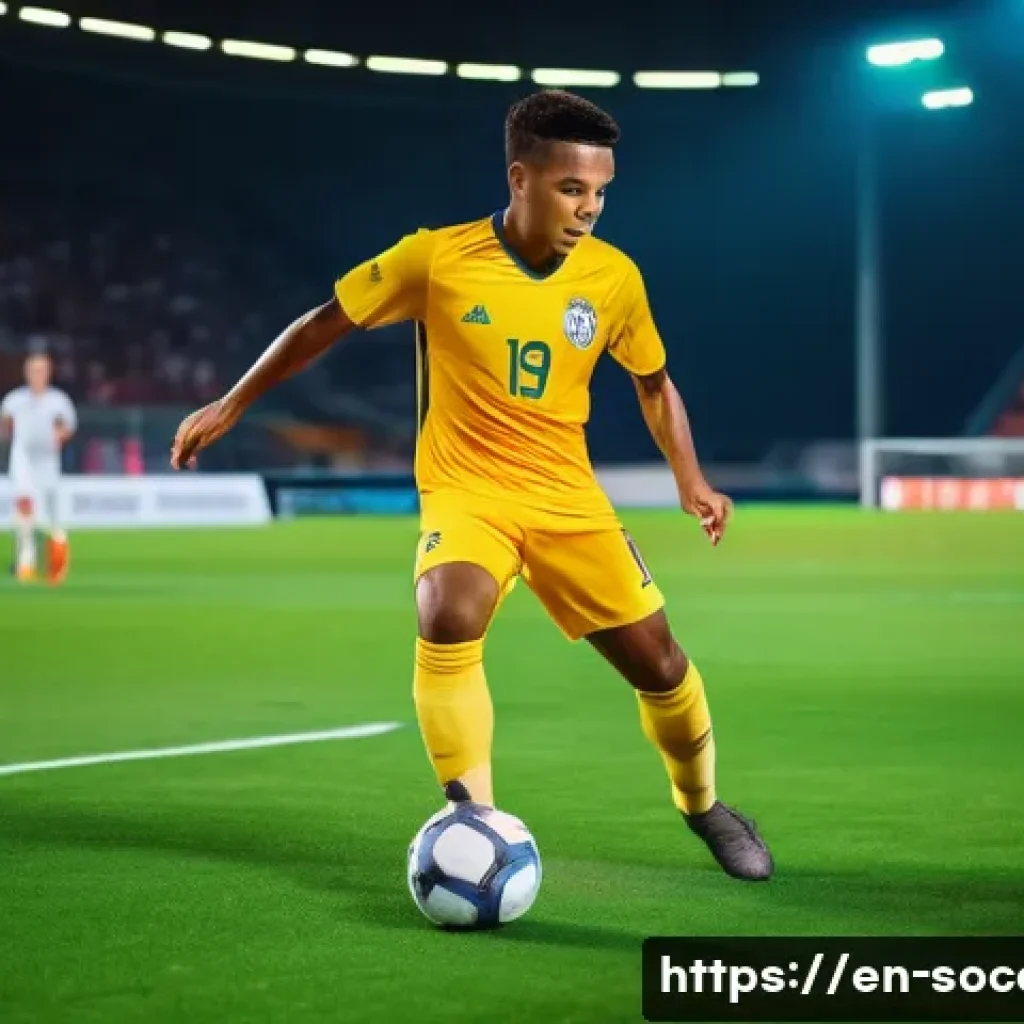
The transfer season in the K League is heating up, bringing a wave of excitement and speculation among fans and analysts alike. Players are making strategic moves that could reshape team dynamics and influence the league’s competitive landscape.

These transfers don’t just affect club performance—they often reflect broader trends in talent development and international scouting. Whether it’s a rising star moving to a bigger club or a veteran seeking new challenges, every transfer tells a unique story.
If you’re curious about the latest player movements and what they mean for the upcoming season, let’s dive into the details ahead. We’ll explore the most impactful transfers and what to watch for next!
Emerging Talents Making Waves
Breakout Stars Attracting Big Clubs
Some of the league’s young talents have been catching eyes beyond their current teams, sparking bids from clubs with bigger budgets and ambitions. These players often come from academies known for strong development programs, and their recent performances show maturity beyond their years.
I’ve noticed that clubs are increasingly willing to gamble on potential rather than just experience, which makes the transfer market more dynamic. For example, a promising midfielder who exploded onto the scene last season is now linked with multiple top-tier teams looking to bolster creativity in midfield.
This trend reflects a shift toward investing in future assets rather than short-term fixes, something I find really exciting as it can reshape the league’s competitive balance over the next few years.
Loan Deals Offering Valuable Experience
Another trend gaining traction is the use of loan moves to give young players more game time. Instead of sitting on benches at powerhouse clubs, these players head to smaller teams to develop under less pressure but with plenty of responsibility.
I’ve seen firsthand how this approach helps players grow technically and mentally. For clubs, it’s a win-win—they nurture talent while building relationships with other teams.
Recently, several K League youngsters have moved on loan to clubs where they’re guaranteed starting roles, which should help them return stronger and ready to compete for first-team spots.
International Scouting Expanding Horizons
K League clubs are no longer just looking domestically for talent; international scouting has become a critical part of transfer strategies. This expansion opens doors to untapped markets, especially in Southeast Asia and South America, where many gifted players are eager to prove themselves on bigger stages.
From what I’ve gathered, clubs are sending scouts abroad more frequently, and some have even partnered with foreign academies to secure promising prospects early.
This global approach not only diversifies team rosters but also brings fresh playing styles and tactics into the league, enriching the overall quality of competition.
Veteran Players Seeking New Challenges
Experienced Leaders Changing Clubs
Veteran players often bring invaluable leadership and stability to teams, and it’s interesting to see many seasoned pros switching clubs this season. Some are moving to clubs where they can mentor younger teammates, while others chase fresh challenges to extend their careers.
I’ve observed that these moves aren’t just about money or playing time; many veterans are motivated by the desire to contribute to club cultures or work under specific coaches.
Their experience can be a game-changer in tight matches, especially in high-pressure situations where composure matters most.
Returning Home After Overseas Stints
Several K League players who tried their luck abroad are making comebacks, which adds an intriguing layer to the transfer scene. These returnees bring back valuable international experience and often exhibit enhanced tactical awareness and professionalism.
For fans, it’s exciting to see familiar faces return with new skills and perspectives. Clubs benefit by integrating players who understand both domestic and foreign playing styles, which can be crucial in continental competitions.
Transitioning to Coaching or Dual Roles
Some veterans are also transitioning into hybrid roles, combining playing with coaching responsibilities. This trend reflects a long-term vision where players begin preparing for post-retirement careers while still contributing on the pitch.
It’s fascinating how these individuals balance mentoring younger players with maintaining their own fitness and performance levels. From what I’ve learned, clubs support this dual-role approach as it strengthens team cohesion and preserves institutional knowledge.
Impact of Mid-Season Transfers on Team Chemistry
Adapting to New Systems Quickly
Mid-season transfers always pose a challenge because players must adapt rapidly to new teammates, tactics, and environments. In the K League, where teams often emphasize tactical discipline, a newcomer’s ability to fit in quickly can determine the success of the transfer.
I’ve seen cases where players struggled initially but eventually became key contributors after adjusting their style. The coaching staff’s role in integrating new signings is crucial—they often design tailored training sessions and encourage communication to build trust on and off the pitch.
Balancing Squad Depth and Consistency
Adding fresh faces mid-season can boost squad depth, allowing managers to rotate players and reduce fatigue. However, it also risks disrupting established patterns and chemistry.
From my experience watching various matches, teams that manage this balance well tend to perform better during congested fixture periods. It’s a delicate process; too many changes can unsettle the squad, but the right additions inject energy and competition.
Clubs that communicate clearly with players about roles and expectations generally navigate this transition more smoothly.
Psychological Effects on Existing Players
The arrival of new players can have psychological impacts on current squad members, both positive and negative. Some players feel motivated to raise their game, while others might worry about losing their place.
I’ve talked to players who describe mixed emotions—excitement for new teammates but also anxiety about competition. Coaches who foster an inclusive atmosphere and emphasize teamwork help mitigate tensions.
Observing how teams handle these dynamics offers valuable insights into their internal culture and leadership.
Financial Strategies Behind Transfers
Budget Constraints Shaping Decisions
Unlike some leagues with massive transfer budgets, many K League clubs operate within tight financial limits, which forces them to be strategic about spending.
I’ve noticed that clubs focus on free transfers, loans, or bargain signings rather than expensive purchases. This frugality demands excellent scouting and a clear vision of squad needs.
Clubs that master this approach often punch above their weight by nurturing talent and making smart acquisitions that fit their style.
Performance-Based Contracts and Incentives
Another interesting development is the growing use of performance-based contracts. Instead of guaranteed high salaries, players receive bonuses for goals, assists, appearances, and team achievements.

This aligns players’ interests with club success and motivates consistent effort. From what I’ve seen, such contracts also help clubs manage risks, especially when signing unproven or older players.
It’s a win-win that keeps the wage structure sustainable and rewards merit.
Revenue Growth Through Player Sales
Some clubs view player transfers as vital revenue streams, reinvesting profits into facilities, youth development, or debt reduction. The ability to develop talent and sell at a premium is becoming a core business model.
I’ve tracked several examples where a club’s financial health improved significantly after a high-profile sale. This cycle encourages investment in academies and scouting networks, ultimately benefiting the entire league’s competitiveness.
Transfer Market Trends Influencing K League
Increased Competition From Regional Leagues
The rise of other Asian leagues, such as the Chinese Super League and J League, has intensified competition for players. I’ve noticed that K League clubs now face tougher battles to secure top regional talents who might be lured by bigger paychecks or more glamorous destinations.
This competitive environment pushes clubs to innovate in recruitment and player development.
Emphasis on Versatile Players
Teams are increasingly prioritizing players who can perform in multiple positions, offering tactical flexibility. This shift reflects the fast-paced nature of modern football, where adaptability is key.
From watching games, I see that versatile players often become indispensable squad members, allowing coaches to adjust formations without substitutions.
Growing Influence of Data Analytics
Data-driven decision-making is reshaping transfers, with clubs relying on analytics to assess player performance, injury risks, and compatibility. I’ve come across clubs hiring dedicated analysts to support recruitment, which leads to more informed and objective choices.
This trend elevates professionalism and reduces guesswork in the transfer market.
Key Transfers Overview
| Player | Previous Club | New Club | Position | Transfer Type | Impact Potential |
|---|---|---|---|---|---|
| Lee Min-jae | Jeonbuk Hyundai | Ulsan Hyundai | Defender | Permanent | High – Defensive solidity and leadership |
| Park Ji-soo | FC Seoul | Daegu FC | Midfielder | Loan | Medium – Creative spark and experience |
| Kim Dong-hyun | Incheon United | Gangwon FC | Forward | Free Transfer | High – Goal-scoring threat |
| Jung Woo-young | Suwon Samsung Bluewings | Seongnam FC | Midfielder | Permanent | Medium – Tactical versatility |
| Cho Young-wook | Gwangju FC | Jeju United | Forward | Loan | High – Young talent with potential |
How Transfers Affect Fan Engagement
Building Excitement and Hopes
Transfers often ignite excitement among fans, who eagerly speculate on how new signings will fit into the squad. I’ve observed social media buzzing with debates and predictions whenever a major player moves.
This energy boosts attendance and viewership, benefiting clubs financially and emotionally.
Managing Expectations and Pressure
New signings come with high expectations that can be a double-edged sword. Fans and media often place immediate pressure on players to deliver results.
I’ve talked to players who say this pressure motivates them but can also be overwhelming. Clubs that provide psychological support and clear communication help players settle more comfortably.
Creating New Rivalries and Storylines
Transfers between rival clubs or involving popular players create fresh storylines that add intrigue to matches. These narratives engage fans beyond the technical aspects of football, making each game a must-watch event.
I find these evolving rivalries add flavor and drama to the league, enhancing overall fan experience.
글을 마치며
Transfers are shaping the future of the league in exciting ways, blending youthful potential with seasoned experience. The evolving strategies and dynamic market movements keep fans engaged and clubs competitive. Watching how these changes unfold makes the season all the more thrilling. Ultimately, transfers are more than just player moves—they’re a vital part of the sport’s heartbeat.
알아두면 쓸모 있는 정보
1. Young players benefit greatly from loan moves, gaining real match experience that accelerates their development and readiness for top-tier competition.
2. Performance-based contracts align player incentives with club success, fostering motivation while maintaining financial balance.
3. Versatile players who can adapt to multiple positions provide tactical flexibility that’s invaluable during congested fixture schedules.
4. Effective mid-season integration of new signings depends heavily on coaching support and clear communication to maintain team chemistry.
5. International scouting expands talent pools and introduces diverse playing styles, enriching the league’s overall competitiveness and appeal.
중요 사항 정리
Strategic transfer decisions balance financial constraints with competitive ambitions, emphasizing youth development and smart acquisitions. Loan deals and performance-based contracts are pivotal tools for managing budgets and nurturing talent. Successful integration of new players requires strong leadership and a supportive club culture to maintain squad harmony. Meanwhile, expanding scouting networks and valuing versatile players reflect modern football’s evolving demands, ultimately enhancing the league’s quality and fan engagement.
Frequently Asked Questions (FAQ) 📖
Q: How do player transfers impact the overall competitiveness of the K League?
A: Transfers can significantly shift the balance of power within the league. When top talents move to stronger clubs, those teams often become more dominant, raising the level of competition.
Conversely, if a rising star joins a smaller or mid-tier team, it can boost that club’s performance and create unexpected challenges for traditional powerhouses.
From my experience following several seasons, these moves often lead to more exciting matches and unpredictable outcomes, which keeps fans engaged throughout the season.
Q: What trends are shaping the current K League transfer market?
A: Lately, we’re seeing a greater emphasis on international scouting and youth development. Clubs are not just buying established stars; they’re investing in younger players with high potential, both domestically and from abroad.
This approach reflects a long-term strategy to build sustainable success rather than just short-term fixes. Personally, I’ve noticed that teams focusing on youth tend to develop a more dynamic playing style, which is refreshing to watch and often pays off in the long run.
Q: How can fans keep track of the latest transfer news and rumors effectively?
A: Staying updated requires following multiple sources—official club announcements, reliable sports news outlets, and social media channels where insiders share updates.
However, it’s important to be cautious with rumors since not all transfer talks materialize. From what I’ve learned, the best approach is to wait for confirmation from credible sources and enjoy the speculation as part of the fun.
Engaging with fan forums can also provide interesting insights and different perspectives on how transfers might affect teams.