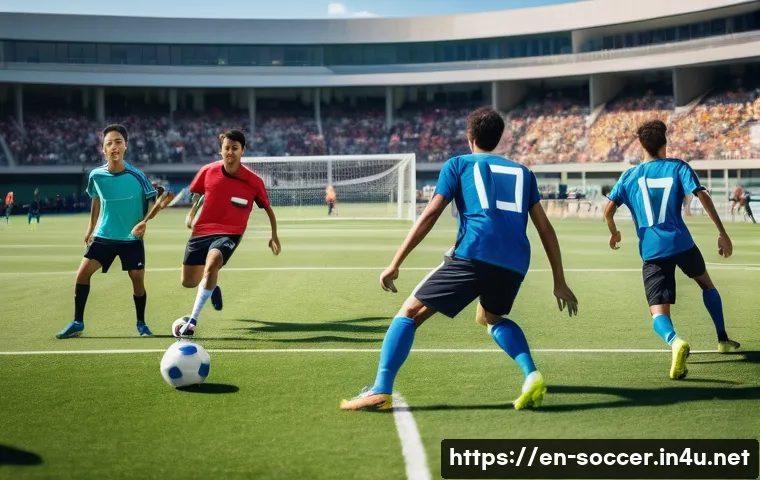
Building strong teamwork in soccer goes beyond individual skills; it’s about creating a seamless connection on the field. When players understand each other’s strengths and communicate effectively, the entire team elevates its performance.
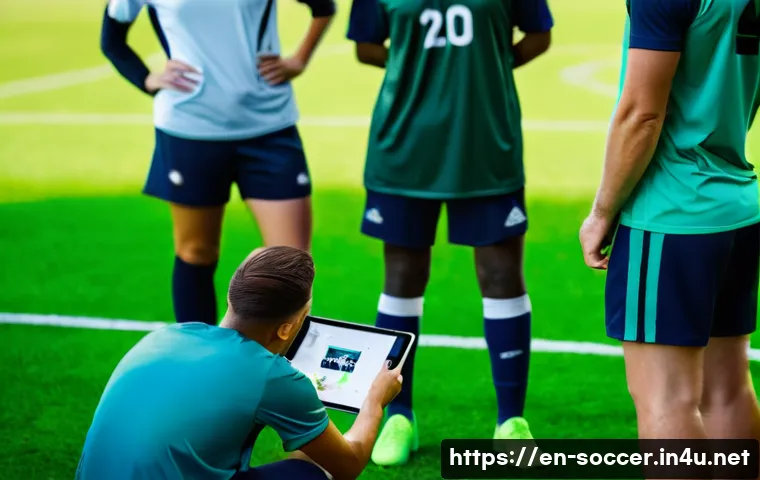
Developing this synergy requires targeted training methods that focus on trust, coordination, and shared strategies. From passing drills to situational exercises, every practice can bring a team closer to winning together.
Let’s dive into the most effective ways to enhance your soccer team’s chemistry and success. I’ll walk you through the details below!
Building Communication Bridges on the Field
Mastering Verbal and Non-Verbal Signals
Effective communication in soccer isn’t just about shouting instructions; it’s a subtle dance of words, gestures, and eye contact. Players need to develop a shared language that includes simple calls, hand signals, and body positioning cues.
When teammates instantly recognize these signals, they can react quicker and more accurately under pressure. I noticed in my own playing days that teams who mastered these cues often controlled the game’s tempo better, turning defense into attack smoothly.
The key is consistent practice, where players are encouraged to verbalize intentions and respond to silent messages alike, building an intuitive understanding that transcends words.
Encouraging Open Feedback During Practice
Creating a culture where players feel comfortable offering and receiving feedback transforms a team’s dynamics. After drills or scrimmages, holding quick debrief sessions where everyone shares observations helps identify strengths and weaknesses collectively.
This openness fosters trust, allowing players to support each other’s growth without judgment. In one of my coaching experiences, teams that embraced honest feedback improved faster and showed more resilience during tough matches.
It’s essential to guide these conversations constructively, focusing on solutions rather than blame, which keeps morale high and teamwork strong.
Utilizing Technology to Enhance Connection
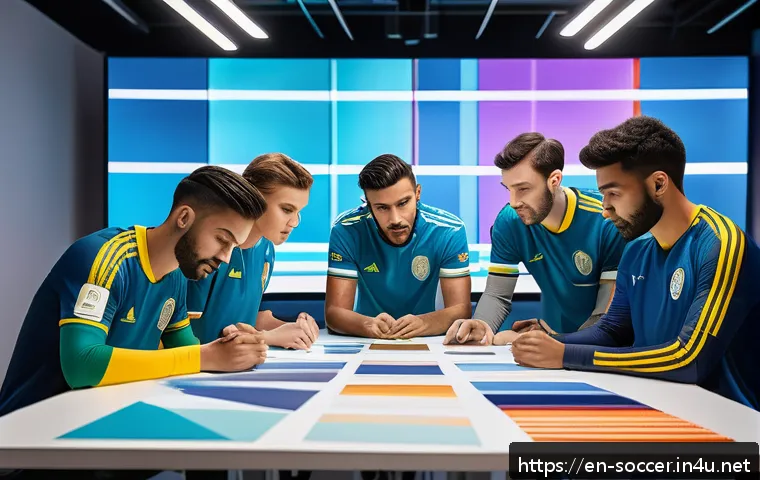
Modern soccer teams increasingly use video analysis and communication apps to reinforce on-field connections. Watching game footage together helps players understand positioning and decision-making from multiple perspectives.
Additionally, apps that track player movement and stats allow for tailored feedback and strategy adjustments. From my perspective, integrating technology into training routines provides a fresh angle on teamwork development, making abstract concepts like spatial awareness and timing more concrete.
This blend of traditional communication and tech tools can accelerate the learning curve and deepen team cohesion.
Sharpening Coordination Through Dynamic Drills
Implementing Small-Sided Games for Realistic Scenarios
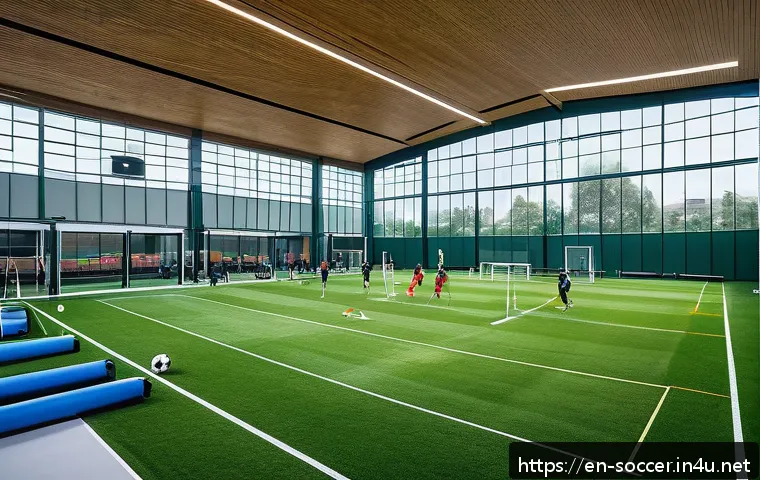
Small-sided games, such as 3v3 or 5v5, pack a punch in developing coordination because they force players to engage more frequently with the ball and each other.
These intense, fast-paced drills simulate real match conditions but in a condensed space, demanding quick thinking and seamless cooperation. I found that players improve their spatial awareness and timing faster when practicing in these setups, as they constantly adjust their movements based on teammates’ actions.
Coaches should rotate players’ positions regularly in these games to build versatile coordination skills and mutual understanding.
Drills Emphasizing Timing and Movement Synchronization
Coordinated runs and synchronized positioning often make the difference between a well-executed play and a missed opportunity. Drills that focus on timing—like overlapping runs, one-two passes, and coordinated pressing—help players anticipate each other’s moves.
In my experience, repetition of these patterns during training builds muscle memory and trust, so players begin to move almost instinctively in harmony.
These drills should be progressively complex, starting slow and increasing speed as the team’s comfort grows, ensuring every player is on the same rhythm.
Practicing Role-Specific Coordination
Each position on the field has unique coordination demands with teammates. Defenders must coordinate to maintain a solid line, midfielders link defense and attack fluidly, and forwards synchronize to exploit spaces.
Tailoring drills that focus on these positional relationships can enhance overall teamwork. For example, practicing defensive shifts as a unit or midfield triangles for passing options strengthens the team’s structural integrity.
I’ve observed that when players clearly understand their roles in relation to others, their combined efforts become much more effective.
Fostering Trust Through Collaborative Challenges
Trust-Building Exercises Beyond the Ball
Trust isn’t built solely by sharing the ball; it extends into how players rely on each other in moments of vulnerability. Off-the-ball exercises like trust falls, blindfolded passing drills, or group problem-solving activities can break down barriers and build confidence.
In my coaching, I’ve seen teams open up remarkably after just a few trust exercises, leading to better on-field communication and willingness to cover for one another.
These activities remind players that soccer is not just about individual brilliance but collective reliability.
Creating Accountability Within the Team
When every player feels accountable for the team’s success, trust naturally grows. Establishing clear expectations and encouraging self-discipline helps players support each other in maintaining standards.
Accountability also means owning mistakes and working together to fix them. I remember a season where setting up “team contracts” boosted responsibility levels, making players more attentive to their roles and respectful of teammates’ efforts.
This environment of mutual accountability fosters a deeper sense of trust and commitment.
Celebrating Successes Together
Acknowledging both small and big victories reinforces trust and camaraderie. Celebrations after a well-executed play or a hard-fought win boost morale and remind everyone that they’re part of something bigger.
Personally, I’ve seen how simple gestures like high-fives, cheers, or team huddles can uplift spirits and strengthen bonds. These moments create positive memories that players carry into future games, enhancing their willingness to cooperate and push through challenges.
Developing Strategic Awareness as a Unit
Studying Opponents Collectively
Understanding the opposition’s tactics requires a team-wide effort. Watching game footage together and discussing the opponent’s strengths, weaknesses, and tendencies helps the entire squad prepare smarter.
From my observation, when teams study opponents collectively, they develop a shared strategic mindset that guides decision-making during matches. This collaborative learning process empowers players to anticipate and counteract threats cohesively.
Designing Set Plays with Input from All Players
Set pieces like corners and free kicks are prime opportunities for teamwork to shine. Involving all players in designing these plays ensures everyone knows their roles and timings perfectly.
I’ve coached teams where players contributed ideas based on their unique skills, resulting in more creative and effective set pieces. This inclusive approach not only improves execution but also fosters ownership and enthusiasm around team strategies.
Adapting Tactics Mid-Game as a Cohesive Unit
Flexibility during matches separates good teams from great ones. Practicing tactical shifts, like changing formations or pressing intensity, requires players to be alert and responsive to each other’s cues.
I’ve found that rehearsing these adjustments in training builds confidence to implement them seamlessly under pressure. When the whole team reacts as one, it creates a powerful momentum that can turn the tide of a game.
Enhancing Team Chemistry Through Shared Experiences
Organizing Off-Field Activities
Team chemistry blossoms beyond the pitch through shared moments of fun and bonding. Group outings, meals, or community service projects allow players to connect personally, breaking down social barriers.
From what I’ve experienced, these activities translate into better empathy and cooperation during games. When players know each other well, they’re more likely to anticipate each other’s needs and cover gaps instinctively.
Encouraging Leadership from Within
Strong team chemistry often depends on natural leaders who inspire and unify their peers. Encouraging players to step up as captains or mentors fosters responsibility and motivation across the squad.
I’ve seen teams flourish when leadership is distributed rather than centralized, as it empowers more players to contribute positively to the group dynamic.
Leadership development should be an ongoing focus in training environments.
Maintaining Positive Energy During Challenges
Teams inevitably face slumps and setbacks, but maintaining a positive attitude is crucial. Encouraging optimism and humor can relieve tension and keep morale high.
In my experience, teams that consciously work to uplift one another during tough times develop a resilience that carries them through. Positive energy becomes contagious, fueling effort and creativity on the field.
Balancing Individual Skills Within the Team Framework
Highlighting Personal Strengths in Team Context
Every player brings unique skills, but integrating those talents into the team’s overall plan is what counts. Coaches should identify individual strengths and create roles that maximize those abilities without disrupting team balance.
I’ve noticed that players feel more valued and motivated when their contributions fit naturally into the group’s strategy. This alignment leads to smoother gameplay and stronger teamwork.
Encouraging Versatility and Adaptability
Versatile players who can switch positions or roles add valuable flexibility to the team. Training players to adapt encourages a deeper understanding of teammates’ challenges and enhances cooperation.
I recall working with players who became more confident and connected once they experienced different perspectives on the field. This adaptability nurtures empathy and strengthens team unity.
Balancing Competition and Collaboration
Healthy competition among teammates can push performance, but it must be balanced with collaboration. Encouraging players to support each other’s growth rather than just competing for spots fosters a positive environment.
From what I’ve seen, teams that embrace this balance develop strong interpersonal bonds and collective ambition. It’s about striving to be better together, not just individually.
| Training Focus | Key Benefits | Recommended Practices |
|---|---|---|
| Communication | Improves decision-making and reaction speed | Verbal/non-verbal cues, feedback sessions, video analysis |
| Coordination | Enhances timing and spatial awareness | Small-sided games, synchronized drills, role-specific exercises |
| Trust | Builds reliability and team resilience | Trust exercises, accountability culture, group celebrations |
| Strategic Awareness | Enables effective game planning and adaptability | Opponent study, set piece design, tactical rehearsals |
| Chemistry | Fosters empathy and positive team environment | Off-field activities, leadership roles, positivity reinforcement |
| Individual Skills Integration | Maximizes player strengths and flexibility | Personalized roles, versatility training, balanced competition |
Conclusion
Building a successful soccer team goes far beyond individual talent. It requires deliberate efforts to strengthen communication, coordination, trust, and strategic awareness. When players connect both on and off the field, their combined skills create a powerful synergy that drives consistent performance. Embracing these principles will lead any team toward greater cohesion and success.
Useful Information to Keep in Mind
1. Effective communication blends verbal calls and subtle non-verbal signals, enabling quick, precise responses during games.
2. Small-sided games and synchronized drills accelerate coordination by simulating real match scenarios in a focused setting.
3. Trust-building exercises off the field enhance reliability and encourage players to support one another under pressure.
4. Studying opponents together and involving all players in tactical planning strengthens team adaptability and strategic execution.
5. Encouraging leadership and maintaining positive energy help sustain morale and deepen team chemistry through challenges.
Key Takeaways
To foster a winning soccer team, focus on creating clear communication channels, both spoken and unspoken, that players instinctively understand. Develop coordination with dynamic, position-specific drills that improve timing and spatial awareness. Cultivate trust through accountability and shared experiences beyond the pitch. Build strategic awareness by collaboratively analyzing opponents and rehearsing tactical adjustments. Finally, balance individual skills within the team framework by promoting versatility and healthy competition, ensuring everyone contributes to collective success.
Frequently Asked Questions (FAQ) 📖
Q: How can we build trust among soccer teammates to improve teamwork?
A: Building trust starts with open communication and consistent support on and off the field. In my experience, encouraging players to share their thoughts during practice and celebrating small successes together fosters a positive environment.
Trust grows when teammates know they can rely on each other, whether it’s covering defensively or making a risky pass. Team-building activities outside of training also help break down barriers and create stronger bonds.
Q: What are some effective drills to enhance coordination and passing accuracy?
A: One drill I’ve found particularly effective involves quick, short passes in tight spaces combined with constant movement. Setting up small grids where players must pass and move without stopping helps mimic game conditions.
Another drill is the “triangle passing” exercise, which forces players to anticipate and react to teammates’ positions quickly. These drills not only improve technical skills but also sharpen players’ awareness of each other’s tendencies, boosting overall coordination.
Q: How can coaches encourage better communication during games?
A: Coaches can foster better communication by establishing clear roles and signals before the match. During games, I’ve noticed that teams with captains who actively talk and motivate tend to stay more organized.
Encouraging players to call out positions, alert teammates of opponents, and provide positive feedback helps maintain focus and responsiveness. Reviewing game footage together afterward also highlights moments where communication succeeded or broke down, allowing for targeted improvement.