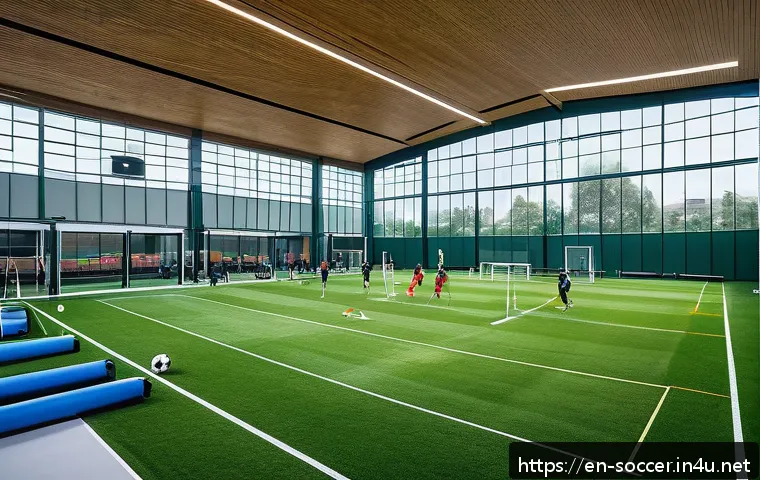
Soccer is no longer just a game; it’s a dynamic global business constantly evolving with new technologies and shifting fan expectations. As clubs and leagues embrace innovations like digital fan engagement, data analytics, and sustainable practices, the industry is unlocking unprecedented opportunities.

Whether you’re a die-hard fan or a business enthusiast, understanding these trends offers a front-row seat to the future of football. Join me as we dive into the groundbreaking changes shaping soccer’s global landscape and discover how the beautiful game is transforming beyond the pitch.
This journey promises insights that could change how you see the sport forever.
Revolutionizing Fan Experience Through Digital Innovation
Immersive Technologies Bringing Fans Closer
The rise of virtual reality (VR) and augmented reality (AR) is transforming how fans experience matches. Imagine slipping on a VR headset and finding yourself virtually seated at the stadium, hearing the roar of the crowd and catching every moment in 360 degrees.
Clubs are increasingly investing in these immersive technologies to offer remote supporters an experience that rivals being physically present. From interactive player stats popping up in AR to virtual meet-and-greets with stars, these advancements make engagement more personal and exciting.
My own trial with a VR match broadcast was eye-opening—suddenly, watching a game from my couch felt like I was part of the action, not just a spectator.
Personalized Content and Social Media Integration
Today’s soccer fans crave content tailored to their preferences, and clubs are responding by leveraging AI-driven platforms that curate highlights, news, and behind-the-scenes footage unique to each user.
Social media channels have become the frontline for fan interaction, with real-time polls, Q&A sessions, and user-generated content campaigns. This two-way communication enhances loyalty, turning casual viewers into passionate community members.
I’ve noticed that clubs with active, personalized social media strategies tend to build a more engaged and younger fan base, keeping the sport vibrant across generations.
Data Analytics Enhancing Engagement Strategies
Behind the scenes, data analytics play a crucial role in shaping how clubs approach fan engagement. By analyzing patterns in ticket sales, merchandise purchases, and online behavior, teams can craft targeted promotions and optimize matchday experiences.
The precision of these insights means no fan is left behind—whether it’s a local supporter or an international follower, the content and offers feel relevant.
Experiencing a fan app that adjusted notifications based on my past interactions really made me feel valued as a supporter, illustrating the power of data-driven personalization.
How Smart Stadiums Are Changing Matchday Realities
Seamless Entry and Safety Enhancements
Smart stadium technologies have completely revamped the logistics of attending a game. Contactless ticketing systems, facial recognition, and real-time crowd management not only speed up entry but significantly improve safety.
I remember arriving at a stadium where queues were virtually non-existent thanks to these innovations—no more stress about missing kickoff due to long lines.
These systems also monitor crowd density and adjust staffing dynamically, enhancing overall comfort and security.
In-Stadium Connectivity and Interactive Features
High-speed Wi-Fi and 5G connectivity have become essential in modern stadiums, enabling fans to share live reactions, access instant replays, and order food or merchandise straight from their seats.
Interactive apps allow supporters to vote on man-of-the-match or participate in live trivia, making the experience more engaging. During a recent visit, I used the stadium’s app to order refreshments without leaving my seat, which saved me a ton of time and let me focus on the game.
Environmental Sustainability in Stadium Design
Sustainability is no longer an afterthought; many new stadiums incorporate eco-friendly features such as solar panels, rainwater harvesting, and waste reduction programs.
These efforts not only reduce carbon footprints but resonate with environmentally conscious fans. I’ve been impressed by how some venues highlight their green initiatives through digital displays and fan education, turning matchdays into opportunities for raising awareness and inspiring action.
Data-Driven Performance Analytics Transforming the Game
Player Tracking and Tactical Insights
Advanced tracking technologies now monitor every movement on the pitch, providing coaches with granular data on player positioning, speed, and workload.
This wealth of information has revolutionized tactical planning and in-game adjustments. Having followed a team’s use of such analytics, it’s clear how these insights translate into smarter substitutions and formations that adapt dynamically to opponents’ strategies.
Injury Prevention and Recovery Monitoring
Wearable sensors and AI-powered health assessments help medical teams predict injury risks and tailor recovery programs. This proactive approach not only prolongs players’ careers but enhances overall team performance.
I recall reading about how one club reduced hamstring injuries dramatically by integrating these technologies, which speaks volumes about their effectiveness.
Fan Access to Performance Data
More clubs are sharing performance metrics with fans through apps and broadcasts, deepening understanding of the game. This transparency fosters a new level of appreciation and discussion among supporters.
As someone who enjoys analyzing stats, having direct access to real-time data during matches has made viewing far more engaging and interactive.
Emerging Revenue Streams Beyond Traditional Sources
Esports and Virtual Competitions
The convergence of soccer and esports is creating fresh revenue avenues, especially among younger audiences. Clubs now operate virtual teams in popular soccer video games, hosting tournaments and online events that generate sponsorships and fan engagement.
I’ve participated in a few online esports tournaments and witnessed firsthand how these platforms build community and excitement beyond physical stadiums.
Subscription Models and Exclusive Content
With broadcasting rights becoming more fragmented, many clubs are launching their own subscription services offering exclusive interviews, documentaries, and live streams.
This direct-to-fan model creates recurring revenue and a closer bond with supporters. From my experience subscribing to a club’s platform, the exclusive behind-the-scenes access made me feel like a true insider, which is priceless for dedicated fans.
Merchandising Innovations and Licensing Deals
Beyond selling jerseys and scarves, clubs are exploring licensing deals for lifestyle products, digital collectibles, and NFTs. These creative extensions tap into fan identity and passion in new ways.
I recently purchased a digital collectible from a favorite team, and it felt like owning a piece of club history in a modern format—something physical merchandise can’t replicate.
Globalization and Expanding Markets in Soccer
Growth in Emerging Soccer Regions
Soccer’s popularity is booming in regions like Southeast Asia, the US, and Africa, driven by increased broadcast access and local league development. Clubs are capitalizing by organizing tours, academies, and partnerships, planting seeds for long-term fan growth.
Having attended a preseason match in the US, I was struck by the enthusiasm and rapid development of the fanbase, signaling huge potential.
Cross-Border Collaborations and Sponsorships
International sponsorship deals and collaborations with global brands amplify club visibility and revenue streams. These partnerships often involve co-branded campaigns tailored to diverse markets.
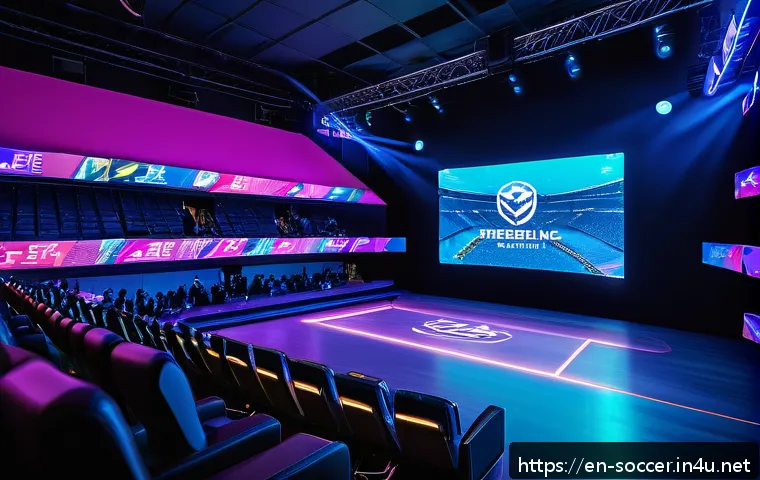
Watching a club’s creative marketing campaign in Asia, I noticed how perfectly it blended local culture with global soccer passion—an effective formula for expansion.
Impact on Player Transfers and Talent Scouting
Globalization has broadened scouting networks, making it easier to discover talent from previously overlooked regions. This diversity enriches leagues and creates exciting narratives.
As someone who follows transfer news closely, the influx of international players has definitely made leagues more competitive and captivating.
Sustainability and Social Responsibility in Modern Football
Community Engagement and Grassroots Programs
Many clubs are deeply involved in social projects, using soccer as a tool for education, health, and inclusion. These initiatives strengthen community ties and build future generations of fans and players.
Volunteering with a club’s youth program, I saw firsthand the transformative power of sport in young lives.
Environmental Commitments and Green Certifications
Beyond stadium design, clubs are adopting broader sustainability policies, from reducing travel emissions to sustainable merchandise sourcing. Certifications and transparent reporting boost credibility and fan trust.
I’ve observed how these efforts resonate especially well with younger supporters who prioritize environmental responsibility.
Promoting Diversity, Equity, and Inclusion
The soccer world is increasingly embracing diversity initiatives, addressing gender equality, racial justice, and accessibility. Campaigns and policies are evolving to ensure the sport is welcoming to all.
As a fan, it’s encouraging to see clubs actively champion these values, making the beautiful game more inclusive and representative.
| Trend | Key Technologies/Strategies | Impact on Soccer Industry | Fan Benefits |
|---|---|---|---|
| Digital Fan Engagement | VR/AR, AI-driven content, social media platforms | Enhanced loyalty, personalized experiences, increased global reach | Immersive viewing, tailored content, interactive communication |
| Smart Stadiums | Contactless entry, 5G connectivity, eco-friendly design | Improved safety, convenience, sustainability | Faster access, interactive features, environmentally conscious events |
| Performance Analytics | Wearables, player tracking, AI health assessments | Optimized tactics, injury prevention, transparency | Deeper game understanding, better player health, real-time stats |
| New Revenue Streams | Esports, subscription services, digital collectibles | Diversified income, fan monetization, global market penetration | Exclusive content, community building, innovative merchandise |
| Globalization | International partnerships, expanded scouting, regional growth | Broader talent pool, increased fanbase, market expansion | Access to diverse players, multicultural fan communities |
| Sustainability & Social Responsibility | Green policies, community programs, inclusion initiatives | Enhanced reputation, long-term viability, social impact | Positive societal influence, inclusive environment, environmental awareness |
The Role of Artificial Intelligence in Soccer’s Evolution
AI in Tactical Analysis and Decision Making
Artificial intelligence tools now analyze vast amounts of match data to help coaches make better strategic decisions. These systems can predict opponent behavior and suggest optimal formations.
Experiencing a broadcast where AI-generated tactical insights were explained live made me appreciate the depth of modern soccer strategy.
Enhancing Refereeing Accuracy
Video assistant referee (VAR) technology, powered by AI, continues to improve the fairness and accuracy of officiating. While still debated, its integration has reduced clear errors and introduced new layers of scrutiny.
Watching a controversial call overturned thanks to VAR in real time showed me how technology can uphold the integrity of the sport.
Fan Engagement Through AI Chatbots and Virtual Assistants
Clubs deploy AI chatbots to answer fan queries instantly, provide ticketing help, and deliver personalized recommendations. These virtual assistants operate 24/7, improving accessibility.
I once used a chatbot to resolve ticket issues late at night, and the quick, helpful response made the whole experience stress-free.
Shaping Soccer’s Future Through Innovation and Tradition
Balancing Technology with the Soul of the Game
While technology drives progress, preserving soccer’s emotional and cultural essence remains paramount. Fans cherish the passion, unpredictability, and human stories behind every match.
In conversations with lifelong supporters, I’ve learned that innovation is welcomed only when it enhances, not replaces, these core elements.
Creating Inclusive, Global Communities
The future of soccer lies in its ability to unite diverse populations through shared passion. Innovations that foster connection across borders and backgrounds strengthen the sport’s global community.
From local fan clubs to international online forums, I’ve witnessed how soccer bridges gaps and builds lasting friendships.
Embracing Change with Respect for Heritage
Clubs and leagues that honor their history while embracing new ideas are best positioned for sustainable success. Celebrating legends, traditions, and iconic moments alongside cutting-edge developments creates a rich tapestry that appeals to all generations.
Attending a club’s heritage night paired with a tech showcase was an inspiring reminder of this balance in action.
Conclusion
Digital innovation is truly reshaping the soccer experience for fans worldwide, blending technology with passion to create unforgettable moments. From immersive viewing to smarter stadiums and AI-driven insights, the future of the game feels more connected and personalized than ever. As these advancements continue, they promise to deepen fan engagement while honoring the rich traditions that make soccer special.
Helpful Information to Keep in Mind
1. Immersive technologies like VR and AR provide fans with a front-row experience from anywhere in the world, making remote viewing more engaging and interactive.
2. Personalized content driven by AI and active social media engagement helps clubs build stronger, more loyal fan communities across all age groups.
3. Smart stadium innovations not only streamline entry and improve safety but also enhance in-game convenience and promote environmental sustainability.
4. Data analytics and wearable technology enable better player performance management and injury prevention, while also offering fans deeper insights into the game.
5. Emerging revenue streams such as esports, subscriptions, and digital collectibles open new opportunities for clubs to connect with global audiences and diversify income.
Key Takeaways
Understanding the impact of digital transformation in soccer is essential for appreciating how technology and tradition coexist to enhance the fan experience. Embracing innovations like AI, smart stadiums, and global collaborations not only increases engagement but also supports sustainability and social responsibility. Ultimately, the game’s future depends on balancing cutting-edge advancements with the heartfelt culture and passion that have defined soccer for generations.
Frequently Asked Questions (FAQ) 📖
Q: uestionsQ1: How are new technologies changing fan engagement in soccer?
A: Clubs and leagues are increasingly using digital platforms like social media, apps, and virtual reality to connect with fans worldwide. These tools offer interactive experiences such as live stats, behind-the-scenes content, and real-time polls, making fans feel more involved than ever.
From my experience following several teams, this shift has made watching games more immersive and personal, especially during times when attending matches in person isn’t possible.
Q: What role does data analytics play in modern soccer?
A: Data analytics has become a game-changer for teams, helping coaches and managers make smarter decisions. By analyzing player performance, injury risks, and opponent tactics, clubs optimize training and match strategies.
I’ve noticed how teams using advanced analytics often have better consistency and fewer injuries, which translates into stronger performances on the field.
It’s like having a secret weapon that turns raw data into winning formulas.
Q: How are sustainability practices impacting the soccer industry?
A: Sustainability is gaining momentum as clubs and stadiums adopt eco-friendly measures like renewable energy, waste reduction, and sustainable merchandise.
This not only helps the environment but also resonates with fans who care about social responsibility. From what I’ve seen attending matches, many venues now promote recycling programs and carbon offset initiatives, creating a greener game-day experience that benefits both communities and the planet.