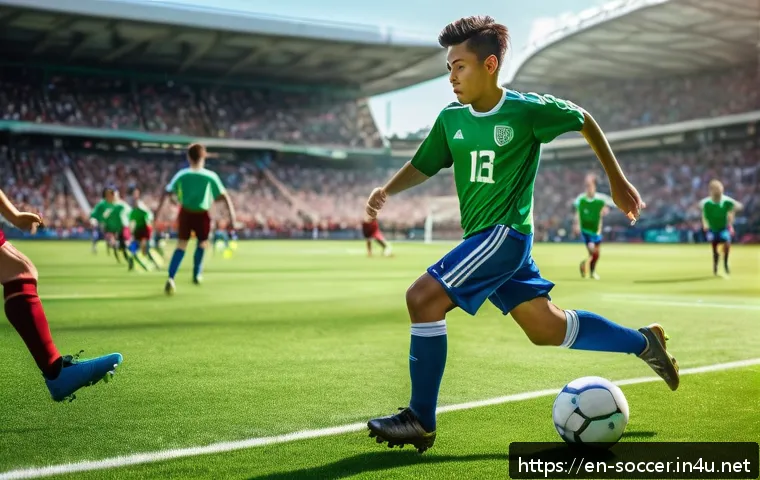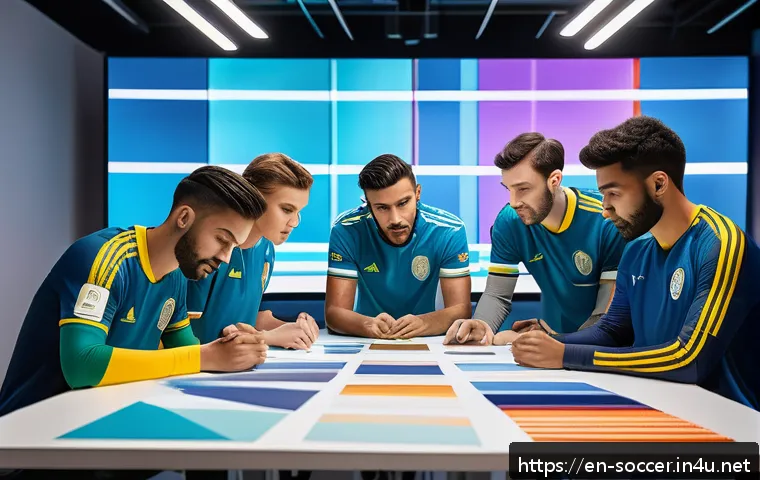
With the global spotlight on soccer intensifying each season, fans and players alike are becoming increasingly curious about the story behind their favorite team’s jersey.
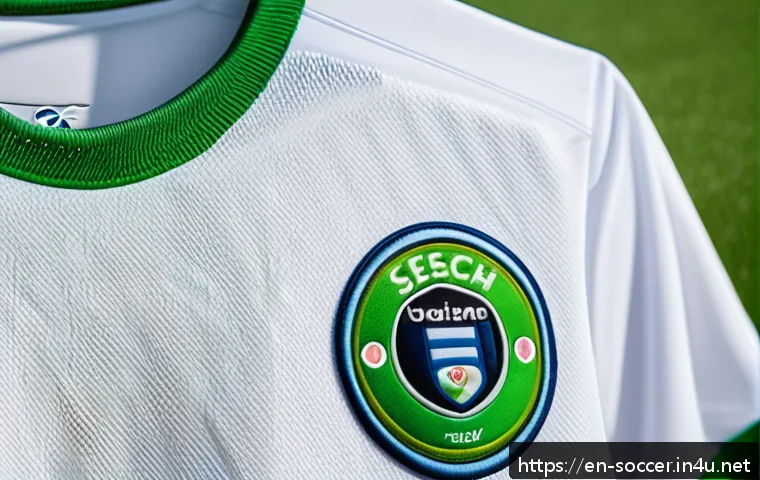
Beyond just a piece of clothing, a soccer jersey is a blend of artistry, innovation, and meticulous craftsmanship. From the initial sketches to the final stitch, every step plays a crucial role in bringing these iconic symbols to life.
In this post, we’ll dive deep into the fascinating journey of soccer jersey production, revealing the passion and precision that make these jerseys truly special.
Whether you’re a dedicated fan or just intrigued by design, there’s something captivating about how these garments come together on and off the field.
Let’s explore what goes into crafting the perfect jersey that players wear with pride.
The Spark Behind the Design: Concept and Inspiration
Where Ideas Take Root
Every iconic soccer jersey begins its life as a concept, and this phase is where creativity truly shines. Designers often immerse themselves in the club’s history, colors, and values, trying to capture the essence that will resonate with fans worldwide.
Sometimes inspiration comes from unexpected places—a city’s architecture, a local legend, or even a cultural movement. From my experience chatting with designers, it’s clear that this initial brainstorming is less about drawing and more about storytelling.
The jersey needs to tell a story that players and supporters can wear with pride. This phase can take weeks or even months, as every detail is debated and refined to capture the perfect vibe.
Balancing Tradition and Innovation
One of the toughest challenges in this stage is finding the sweet spot between honoring tradition and pushing boundaries. Clubs with long, rich histories often want to preserve iconic elements like classic stripes or color schemes, while also refreshing the look to keep it modern and appealing.
Designers walk a tightrope here, blending heritage with contemporary flair. I’ve noticed that fans often have strong opinions about this balance; some crave bold new looks, while others want jerseys that feel timeless.
This push and pull makes the design phase an exciting, dynamic process that can ignite passionate debates both inside design studios and among the fanbase.
The Role of Technology in Design
Digital tools have transformed how jersey concepts come to life. Advanced graphic software allows designers to experiment endlessly with color palettes, patterns, and textures without committing to physical prototypes initially.
I’ve seen firsthand how 3D modeling and augmented reality help teams visualize how jerseys will look on players in motion, which is a game-changer for spotting potential flaws early.
This tech integration speeds up decision-making and allows for more daring designs that still pass rigorous aesthetic and functional tests.
Fabric Selection: More Than Meets the Eye
Material Matters for Performance
Choosing the right fabric is critical because a soccer jersey isn’t just about looking good; it has to perform under intense physical demands. Breathability, stretch, moisture-wicking, and durability are key factors here.
From my experience trying on various jerseys, the difference in comfort is striking. High-performance polyester blends with mesh panels are industry standards because they keep players cool and dry even during the most grueling matches.
The fabric must also be lightweight to allow unrestricted movement but tough enough to withstand tackles and constant washing.
Eco-Friendly Innovations in Fabrics
Sustainability has become a major focus in recent years. Many brands now incorporate recycled materials, like plastic bottles turned into fibers, without sacrificing performance.
This eco-conscious shift is not just a trend but a necessity as fans and clubs alike demand greener practices. I’ve noticed that these sustainable jerseys sometimes feel softer and more comfortable, which is a pleasant surprise.
The challenge lies in balancing eco-friendliness with cost and durability, but the industry is making impressive strides.
Testing and Quality Assurance
Before a fabric is approved, it undergoes rigorous lab tests to assess stretch, tear resistance, colorfastness, and breathability. I read about how some manufacturers even simulate extreme weather conditions to ensure the fabric performs consistently in heat, rain, or cold.
This stage can be painstaking but is vital for delivering a jersey that looks great and stands up to real match conditions. Players and fans alike expect nothing less than top-tier quality when wearing their team’s colors.
Bringing the Design to Life: Manufacturing Process
Precision Cutting and Stitching
Once the design and fabric are locked in, the manufacturing process kicks off with cutting the fabric pieces. This might sound straightforward, but it’s a high-precision task to ensure every panel fits perfectly.
Automated cutting machines guided by digital templates are common now, but skilled hands are still essential for quality control. The stitching is equally critical—double or triple stitching in high-stress areas ensures the jersey holds up during tackles and vigorous play.
From what I’ve learned, factories often run trial batches to catch issues early before full production.
Customization and Detailing
Adding player names, numbers, and sponsor logos is a meticulous process. Modern techniques like heat pressing and sublimation allow for vibrant, durable prints that don’t peel or fade easily.
I’ve noticed that some clubs opt for embroidered badges for a premium feel, which adds a tactile dimension to the jersey. This detailing phase is where the jersey starts to feel truly unique, embodying the club’s identity and the player’s personal touch.
Quality Control and Final Touches
Before shipping, every jersey batch undergoes strict quality inspections. This includes checking stitching integrity, print accuracy, and overall finish.
From stories I’ve heard, some manufacturers even have former players or club staff involved in sampling to ensure the jersey meets real-world expectations.
The final touches might include packing the jerseys with special tags or collectible packaging, turning the garment into a prized fan item.
Why Color and Pattern Choices Matter So Much
Colors as a Symbol of Identity
The colors on a soccer jersey are rarely random; they carry deep meaning. Clubs often stick to traditional colors that represent their city, culture, or founding roots.
Fans develop emotional attachments to these colors, which is why even subtle changes can spark heated debates. When I see a team unveil a new color scheme, I always pay attention to the backstory—sometimes it’s a nod to a historic event or an attempt to modernize the brand image.
Colors help create that instant connection between the team and its supporters.
Patterns That Tell a Story
Beyond solid colors, patterns on jerseys add layers of storytelling. Some clubs incorporate subtle stripes, checks, or abstract motifs inspired by local art or landmarks.
I recall one jersey featuring a pattern inspired by a city’s river, which fans loved because it symbolized home. These design elements can be subtle enough to go unnoticed at first glance but become points of pride once explained.
Patterns also serve functional roles, like creating visual effects that enhance player movement or make the jersey stand out on TV.
The Psychology Behind Design Choices
Believe it or not, the design of a jersey can influence player confidence and fan enthusiasm. Bright, bold colors and dynamic patterns can energize the team and intimidate opponents.
I’ve read interviews where players admit they feel more powerful wearing certain designs. This psychological edge might seem intangible, but it’s part of why clubs invest so heavily in the design process.
Fans, too, often feel more connected and energized when wearing jerseys that look sharp and meaningful.
How Fan Engagement Shapes Jersey Evolution
Feedback Loops and Fan Participation
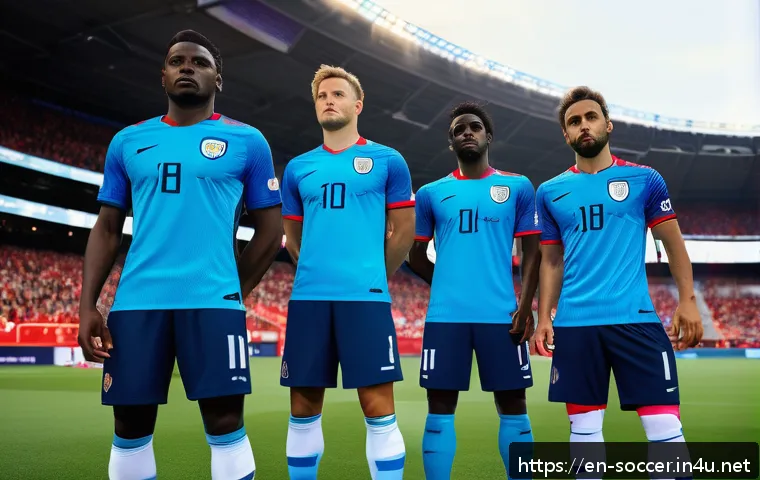
Many clubs actively involve fans in the jersey design process, either through polls, social media campaigns, or design contests. This interaction creates a sense of ownership and excitement around the new kit.
I’ve participated in a few fan polls myself, and it’s fascinating how passionate and detailed fans get about tiny design elements. This feedback loop helps clubs avoid missteps and ensures the jersey resonates with its core audience.
Limited Editions and Collaborations
To keep things fresh and exclusive, clubs often release limited-edition jerseys or collaborate with famous designers, artists, or brands. These special editions create buzz and often become collector’s items.
I’ve seen how these collaborations blend soccer culture with streetwear or high fashion, attracting new demographics and boosting merchandise sales. It’s a smart strategy that benefits both the club and fans looking for unique gear.
Merchandising Strategies and Market Impact
Jersey releases are major events in the soccer calendar, often accompanied by marketing campaigns that build hype and drive sales. Timing is key—clubs usually launch new kits ahead of a season or a big tournament to maximize impact.
I’ve noticed that limited availability and special packaging can increase perceived value, encouraging fans to buy early. The jersey isn’t just apparel; it’s a revenue driver and a way to deepen fan loyalty.
Durability and Care: Keeping Your Jersey Game-Ready
How to Maintain Performance Fabrics
High-tech fabrics require careful washing and handling to maintain their properties. I’ve learned that washing jerseys inside out in cold water and avoiding bleach or fabric softeners prolongs their life.
Air drying is preferable to using a dryer, which can damage fibers and prints. Proper care keeps the jersey breathable and vibrant, so it continues to perform well both on and off the pitch.
Repair and Longevity Tips
Accidents happen—whether it’s a ripped seam or a fading number. Some fans choose to send jerseys to professional repair services, while others get creative with DIY fixes.
I once repaired a small tear on my favorite jersey with a patch that actually added character. Keeping your jersey in good shape not only preserves its look but also honors the memories attached to it, making it feel like a treasured keepsake.
When to Retire or Replace Your Jersey
Knowing when to retire a jersey can be tough. If it’s faded, stretched out, or heavily damaged, it might be time to invest in a new one. However, some fans hold onto worn jerseys for sentimental reasons or use them as memorabilia.
I’ve seen collections where retired jerseys are framed or displayed proudly, celebrating a player’s era or a memorable season. Whether you wear it or cherish it, a soccer jersey is always more than just fabric.
| Production Stage | Key Focus | Technologies/Techniques | Fan Impact |
|---|---|---|---|
| Design & Concept | Storytelling, balance of tradition and innovation | Digital design, 3D modeling, AR visualization | Fan polls, emotional connection |
| Fabric Selection | Performance, sustainability, comfort | Recycled fibers, moisture-wicking textiles | Eco-conscious fans appreciate green initiatives |
| Manufacturing | Precision cutting, stitching, customization | Automated cutters, heat press, sublimation | Quality assurance boosts fan trust |
| Color & Pattern | Identity, psychology, aesthetics | Advanced printing, embroidery | Fan pride, visual appeal |
| Fan Engagement | Participation, exclusivity, marketing | Social media, collaborations | Increased loyalty, merchandise sales |
| Care & Longevity | Maintenance, repairs, preservation | Fabric care guidelines, professional repairs | Extended jersey life, sentimental value |
The Subtle Art of Fit and Comfort
Tailoring Jerseys for Movement
Soccer jerseys are designed not just for style but for optimal fit that supports dynamic movements on the pitch. The cut often features ergonomic seams and stretch zones that adapt to running, jumping, and quick turns.
I’ve tried jerseys with different fits, from slim to relaxed, and the difference in comfort during play is significant. A well-fitted jersey reduces distractions and lets players focus entirely on the game.
Player vs. Fan Versions
Interestingly, the jerseys worn by players on the field often differ slightly from fan versions. Player kits typically use lighter materials and tighter cuts for maximum performance, while fan jerseys prioritize comfort and durability for everyday wear.
I’ve noticed some fans prefer the player version for authenticity, but it can feel less comfortable off the pitch. This differentiation shows how manufacturers cater to distinct needs within the same product line.
Customization Beyond Numbers
Many fans love personalizing their jerseys with their own names or nicknames, and some brands offer additional options like patches or limited-run designs.
This customization enhances the emotional connection and makes each jersey uniquely theirs. From my experience, customized jerseys often become cherished pieces, worn proudly to matches and social gatherings alike.
Behind the Scenes: Collaborations and Branding
Partnerships with Sportswear Giants
Top soccer clubs often partner with major sportswear brands that bring decades of expertise in fabric innovation and marketing muscle. These collaborations blend the club’s identity with the brand’s technological edge, resulting in jerseys that push performance boundaries while looking stylish.
I’ve followed several brand launches and noticed how these partnerships elevate both parties’ global reach and reputation.
Artist and Designer Collaborations
Some clubs go beyond sportswear brands and collaborate with renowned artists or fashion designers. These partnerships inject fresh creativity and often produce limited-edition jerseys that become cultural icons.
I recall a collaboration that fused street art with soccer heritage, creating a jersey that was as much a collector’s item as a sports kit. These projects highlight how soccer intersects with broader cultural trends.
Building a Global Brand Through Jerseys
A jersey is one of the most visible symbols of a club’s brand worldwide. Every time a player scores or a fan cheers, the jersey is front and center. Clubs invest heavily in making sure their kits represent their values and appeal globally, using jerseys as tools for international marketing and fanbase expansion.
I find it fascinating how a single garment can carry so much weight in building identity, loyalty, and business growth all at once.
In Conclusion
Designing a soccer jersey is an intricate blend of creativity, technology, and deep respect for tradition. Each phase, from concept to final product, is shaped by the passion of designers, players, and fans alike. The jersey is more than just apparel—it’s a symbol of identity, pride, and connection. Understanding the journey behind it enriches the appreciation for every stitch and color on the pitch.
Useful Information to Keep in Mind
1. The design process balances storytelling with innovation to create jerseys that resonate emotionally with fans and players.
2. Fabric choice is crucial for performance and comfort, with sustainability becoming an important factor in modern soccer apparel.
3. Advanced manufacturing techniques ensure precision and durability, maintaining quality even under intense match conditions.
4. Colors and patterns are carefully selected to reflect club identity and influence both player confidence and fan enthusiasm.
5. Engaging fans through feedback and exclusive releases strengthens loyalty and drives merchandise success.
Key Takeaways
Soccer jersey creation is a dynamic process that intertwines heritage with cutting-edge innovation. Every element—from fabric technology to design details—serves both functional and emotional purposes. Fan involvement plays a vital role in shaping the final product, making the jersey a shared symbol of community and passion. Proper care and thoughtful customization extend the life and meaning of these iconic garments beyond the game itself.
Frequently Asked Questions (FAQ) 📖
Q: How are soccer jersey designs created before production begins?
A: The design process usually starts with a blend of creativity and strategy. Designers sketch initial concepts inspired by the team’s history, culture, and current trends.
These sketches go through multiple revisions, often incorporating feedback from club officials and sometimes even fans. Digital tools then bring these designs to life in vivid detail, allowing teams to visualize color schemes, patterns, and sponsor placements before any fabric is cut.
From my experience, seeing a concept evolve digitally helps ensure the final jersey truly resonates with the team’s identity.
Q: What materials are commonly used in making soccer jerseys, and why?
A: Soccer jerseys are typically crafted from lightweight, breathable synthetic fabrics like polyester blends. These materials wick moisture away from the body, keeping players cool and dry during intense matches.
Over the years, fabric technology has advanced significantly—some jerseys now include mesh panels for extra ventilation or stretch fibers for better mobility.
When I wore one of these modern jerseys during a pickup game, the difference in comfort and performance was noticeable, which is why material choice is so crucial in jersey production.
Q: How is the final jersey assembled and quality-checked before reaching fans and players?
A: After the design and fabric selection, the jersey moves to the cutting and sewing phase where precision is key. Skilled workers use automated machines and hand-finishing techniques to assemble each piece, ensuring durability and a perfect fit.
Once assembled, the jerseys undergo rigorous quality checks—testing stitching strength, colorfastness, and logo placement accuracy. From what I’ve observed behind the scenes, this meticulous inspection process is what guarantees that every jersey delivered lives up to both player standards and fan expectations.