With the global excitement around the latest soccer tournaments reaching new heights, there’s never been a better time to sharpen your live commentary skills.

Whether you’re streaming a local match or covering a high-stakes international game, captivating your audience is key to standing out. In this post, I’ll share insider tips that go beyond the basics, helping you connect emotionally and keep viewers hooked from kickoff to the final whistle.
If you’ve ever wondered how top commentators make every moment feel electric, you’re in the right place. Let’s dive into the art of storytelling on the pitch and transform your commentary into an unforgettable experience.
Mastering the Flow of the Game
Anticipating Key Moments Before They Happen
Staying ahead of the play is what separates a good commentator from a great one. When I started, I realized that simply reacting to the action wasn’t enough—predicting what’s coming next keeps your audience engaged and builds suspense.
For example, if a winger is steadily advancing down the flank, you can hint at a possible cross or cutback even before it happens. This kind of foresight requires deep knowledge of player tendencies and tactical setups.
Watching prior matches and understanding team strategies help immensely. The thrill for viewers comes from feeling like they’re getting insider insight rather than just a play-by-play report.
Maintaining Rhythm Without Overloading
One tricky part of live commentary is knowing when to speak and when to let the natural sounds of the stadium take center stage. Early in my commentary journey, I tended to fill every second with words, but that can exhaust listeners.
Instead, I learned to pace myself—offering bursts of energy during critical plays and moments of silence when the ball is in a less exciting area. This balance gives viewers room to absorb the atmosphere and makes your commentary feel more dynamic and natural.
Think of it like a musical rhythm where pauses amplify the impact of the notes.
Using Voice Modulation to Convey Emotion
Your voice is your primary tool, and modulating it effectively transforms dry descriptions into vivid storytelling. I’ve found that varying pitch, volume, and speed at the right moments creates emotional highs and lows that mirror the game’s intensity.
For example, speeding up your speech during a breakaway builds urgency, while a softer tone during a tense penalty shootout adds suspense. Practicing this modulation off-air, even while watching matches alone, helps you develop instinctive control.
Remember, your voice should invite viewers into the emotional rollercoaster of the game, making them feel every pass, tackle, and goal as if they’re right there on the pitch.
Crafting Stories That Resonate
Highlighting Player Backstories to Add Depth
People don’t just watch soccer for the scores; they connect with the players’ journeys. Sharing brief yet compelling anecdotes about a player’s background or recent form can humanize the game and deepen emotional investment.
For instance, mentioning a striker’s comeback from injury or a young player’s debut nerves adds layers to the action unfolding. I often prepare these stories beforehand but weave them in spontaneously when the moment feels right.
This approach keeps the commentary fresh and personal, allowing viewers to root for individuals as much as the teams.
Building Narratives Around Tactical Battles
Every match is a chess game between coaches, and bringing that strategic element to life makes your commentary richer. Instead of just naming formations, explain how the teams’ tactics clash and evolve throughout the game.
For example, you might describe how one side is exploiting the opponent’s weak left flank or how a midfield maestro is dictating the tempo. I’ve noticed that viewers appreciate when you break down complex strategies into digestible insights, especially during halftime or quieter spells.
It’s like giving them a backstage pass to the tactical minds behind the scenes.
Using Metaphors and Imagery to Paint the Scene
When words flow creatively, the pitch transforms in the listener’s imagination. I like to use vivid metaphors to describe movements and emotions. Calling a defender a “wall of steel” or a striker “a predator lurking in the box” instantly sparks mental images.
This storytelling technique adds color to your commentary and makes moments more memorable. Just be careful not to overdo it—too many metaphors can feel forced.
The goal is to blend them naturally so they enhance rather than distract from the live action.
Engaging Your Audience Beyond the Game
Interacting with Live Chat or Social Media
In the age of streaming, your audience isn’t just passive; they want to engage with you. I’ve found that responding to live chat comments or social media questions during breaks can create a sense of community and loyalty.
It’s important to strike a balance, though—too much interaction can pull focus from the game. I usually set aside specific moments, like halftime or injury stoppages, to connect with viewers.
This interaction makes the experience feel more personal and encourages repeat visits to your channel or platform.
Inviting Guest Experts or Fans for Varied Perspectives
Bringing in guest commentators or passionate fans adds fresh energy and diverse viewpoints to your broadcast. I’ve hosted former players or coaches who offer expert analysis, which enriches the content and builds credibility.
Even inviting knowledgeable fans to share their opinions can spark lively discussions and keep the commentary dynamic. This variety not only enhances entertainment value but also broadens your audience by appealing to different interests within the soccer community.
Encouraging Viewer Participation with Polls and Predictions
Interactive elements like polls or pre-match predictions turn passive watching into an engaging experience. Before kickoff, I often ask viewers to vote on the likely score or man of the match.
During the game, quick polls on controversial referee decisions or player performances keep fans involved. This approach increases viewer retention and can boost ad engagement because people stay longer and interact more.
Plus, it adds an element of fun and friendly competition that resonates well with soccer enthusiasts.
Perfecting Your Technical Setup for Clear Delivery
Choosing the Right Microphone and Environment
Audio quality makes a huge difference in how professional and enjoyable your commentary sounds. Early on, I struggled with background noise and muffled sound, which distracted listeners.
Investing in a good condenser microphone and recording in a quiet, echo-free room transformed my broadcasts. Additionally, using pop filters and soundproofing materials reduces unwanted noise.
Clear and crisp audio keeps viewers hooked because they don’t have to strain to hear what you’re saying, especially during exciting moments.
Using Multiple Camera Angles and Replays
If you’re streaming, incorporating different camera views and instant replays elevates the viewer experience. For example, switching between wide shots and close-ups during key plays allows you to provide detailed analysis while maintaining excitement.
I learned that timing these switches carefully is crucial to avoid confusing the audience. Replays also give you a chance to explain tactics or highlight controversial moments, adding depth to your commentary.
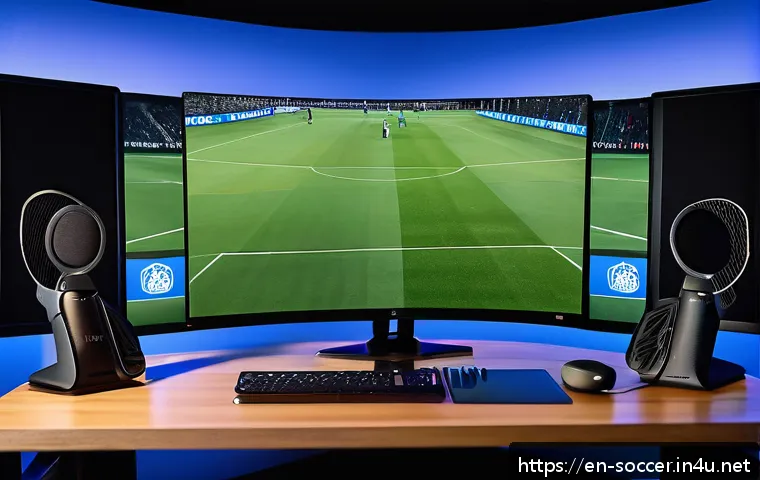
This technical polish makes your coverage look more professional and engaging.
Optimizing Streaming Settings for Stability and Quality
Nothing kills excitement faster than buffering or poor video quality. I spent hours tweaking my streaming bitrate, resolution, and internet connection to ensure a smooth broadcast.
Using a wired connection over Wi-Fi and adjusting bitrate according to your upload speed minimizes interruptions. Also, setting up backup streams or recording locally provides security against unexpected technical glitches.
When your viewers enjoy seamless video and audio, they’re more likely to stay longer and come back for future streams.
Balancing Objectivity and Passion in Commentary
Staying Neutral While Showing Genuine Enthusiasm
It’s tempting to cheer loudly for your favorite team, but maintaining a fair and balanced tone earns trust and respect. I always remind myself that viewers come from all sides, so acknowledging good play from both teams creates a welcoming atmosphere.
However, that doesn’t mean you have to be robotic—passion is what makes commentary lively. The trick is to channel your excitement into descriptive language rather than biased cheering.
This way, your authenticity shines through without alienating parts of your audience.
Handling Controversial Calls with Diplomacy
Referee decisions often spark heated debates, and how you address them can shape your credibility. I’ve learned to describe controversial calls objectively, explaining the rules and possible interpretations without sounding like I’m taking sides.
Phrases like “the referee’s decision here is under debate” or “this call will likely be reviewed” keep your commentary professional. This approach helps maintain your reputation as a reliable source and prevents unnecessary conflict among viewers.
Injecting Humor and Light Moments to Relieve Tension
Soccer matches can be intense, so breaking the tension with well-timed humor or light anecdotes makes your commentary more enjoyable. I like to share funny incidents from previous matches or playful banter when the game slows down.
These moments create a relaxed vibe and help build rapport with your audience. Just be mindful of the context and avoid jokes that might offend or distract from the game’s flow.
When done right, humor adds warmth and personality to your broadcast.
Tracking and Improving Your Performance Over Time
Reviewing Past Broadcasts to Identify Strengths and Weaknesses
One of the most effective ways I improved was by recording my commentary sessions and watching them critically. This self-review revealed patterns like rushing through descriptions or missing key tactical points.
It also highlighted moments where my energy really connected with viewers. Making notes on these observations helped me focus on gradual improvements.
I recommend keeping a journal or checklist to track progress and set goals for each broadcast.
Gathering Feedback from Viewers and Peers
Constructive feedback is gold. I actively encourage viewers to share their thoughts through comments or surveys after each stream. Sometimes, fellow commentators or friends give invaluable advice on voice modulation or content pacing.
Listening openly to criticism, even when it stings a bit, accelerates growth. It’s important to filter feedback constructively—focus on actionable points and avoid getting discouraged by occasional negativity.
Staying Updated with Trends and New Commentary Techniques
The world of sports broadcasting evolves constantly, and staying current keeps you competitive. I regularly watch top commentators, attend webinars, and read articles about new technologies and storytelling methods.
Incorporating fresh ideas like augmented reality graphics or interactive viewer tools enhances your offering. Being a lifelong learner not only sharpens your craft but also signals professionalism to your audience and potential sponsors.
Essential Elements for Engaging Live Commentary
| Element | Description | Why It Matters |
|---|---|---|
| Anticipation | Predicting upcoming plays based on game flow and player tendencies | Keeps viewers excited and invested in the unfolding action |
| Voice Modulation | Varying pitch, speed, and volume to match game intensity | Conveys emotion and maintains listener interest |
| Storytelling | Weaving player backstories and tactical narratives into commentary | Adds depth and personal connection for viewers |
| Technical Quality | Using good equipment and stable streaming settings | Ensures clear, professional broadcasts that retain viewers |
| Audience Engagement | Interacting with viewers via chat, polls, and social media | Builds community and encourages viewer loyalty |
Closing Thoughts
Mastering live commentary is a blend of preparation, passion, and technical finesse. By anticipating key moments, crafting engaging stories, and connecting with your audience, you elevate the viewing experience. Continuous learning and adapting your approach keep your broadcasts fresh and captivating. Remember, your voice is the bridge between the game and the fans—make every word count.
Helpful Tips to Keep in Mind
1. Always research player tendencies and team tactics before the match to enhance your anticipatory commentary.
2. Balance your speaking pace with natural stadium sounds to maintain an engaging rhythm without overwhelming listeners.
3. Use voice modulation strategically to convey the game’s emotions, creating an immersive experience for viewers.
4. Incorporate personal stories and tactical insights to deepen viewer connection and add richness to your narrative.
5. Invest in quality audio equipment and stable streaming setups to ensure professional and enjoyable broadcasts.
Key Takeaways for Successful Commentary
Delivering top-notch live commentary requires a fine balance between enthusiasm and neutrality. Engaging storytelling combined with clear, well-paced delivery keeps audiences hooked. Technical reliability and interactive elements foster viewer loyalty and enhance overall experience. Constant self-review and openness to feedback drive growth, while staying updated with industry trends ensures your commentary remains relevant and compelling.
Frequently Asked Questions (FAQ) 📖
Q: uestions about Live Soccer CommentaryQ1: How can I keep my live commentary engaging throughout the entire match?
A: The key to maintaining engagement is storytelling that evolves with the game. Instead of just narrating the events, weave in player backgrounds, tactical insights, and emotional highs and lows.
Share your genuine reactions and observations to create a connection with your audience. For example, when a player makes a surprising move, describe the possible thought process behind it or the impact on the team’s strategy.
This approach turns a simple play-by-play into an immersive experience that keeps viewers hooked from kickoff to the final whistle.
Q: What techniques do top commentators use to make every moment feel exciting?
A: Top commentators master pacing and tone variation. They know when to ramp up excitement during critical plays and when to slow down for analysis or storytelling.
Using vivid, relatable language helps paint a picture — phrases like “a thunderous strike” or “a moment frozen in time” evoke strong imagery. Also, incorporating crowd reactions and ambient sounds into your commentary, when possible, adds authenticity and energy.
Personally, I’ve found that balancing enthusiasm with insightful commentary makes the broadcast feel both thrilling and informative.
Q: How do I prepare before a match to deliver confident and informed commentary?
A: Preparation is everything. Research teams, players, recent form, and any relevant storylines well before the match. Create notes highlighting key players, tactical setups, and potential turning points.
Watching previous games can give you insights into player tendencies and team dynamics. During the game, keep an eye on shifting momentum and adjust your narrative accordingly.
From my experience, having a solid foundation of knowledge lets you speak confidently and naturally, making your commentary more credible and enjoyable for the audience.